
Exploring the Different Types of Ice for Cocktails: Why It Matters
When it comes to cocktails, the ingredients, glassware, and techniques often take center stage. However, there’s one key element that’s often overlooked—ice. Whether it’s the shape, size, or quality, ice plays a crucial role in the overall cocktail experience. In this post, we’ll explore the different types of ice used in cocktails, why ice quality matters, and how selecting the right ice can elevate your drink.
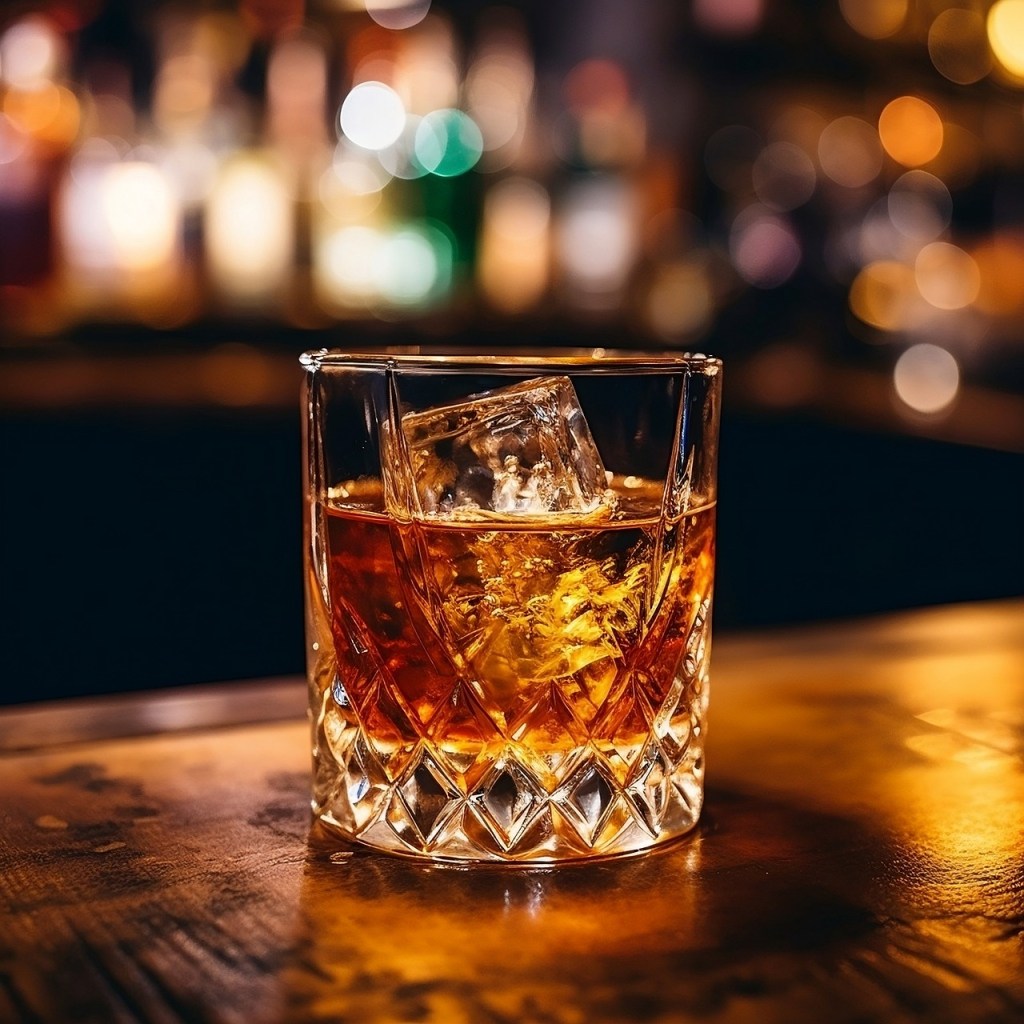
Table of Contents:
- Why Ice Matters in Cocktails
- The Science of Ice in Mixology
- Types of Ice for Cocktails
- Cubed Ice
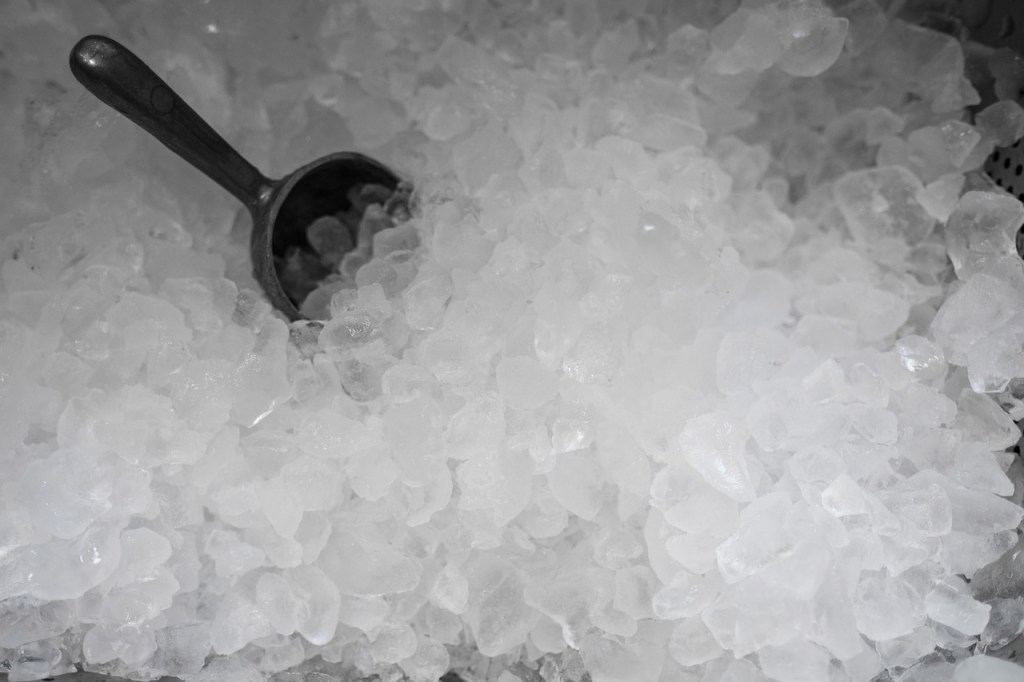
- Crushed Ice
- Large Blocks (Hand-Cut and King Cubes)
- Ice Balls (Spherical Ice)
- Pebble (Nugget) Ice
- Collins Spears
- Choosing the Right Ice for Your Cocktail
- The Importance of Clear Ice
- How to Make Perfect Ice at Home
- Environmental Impact: Ice and Sustainability in Bartending
- Conclusion: Elevate Your Cocktail Game with the Right Ice
1. Why Ice Matters in Cocktails
Ice does more than just cool your drink—it impacts the dilution, texture, and even the flavor of your cocktail. The right type of ice can bring balance to a cocktail, controlling how quickly a drink chills and dilutes over time. On the flip side, the wrong ice can water down a cocktail too quickly, leaving it bland or overly diluted.
In professional bars and home bartending alike, understanding ice’s role is key to mastering the craft of cocktail-making. Knowing when to use crushed ice, cubed ice, or large blocks can transform a good cocktail into a great one.
2. The Science of Ice in Mixology
The science behind ice in cocktails is fascinating. The surface area of ice, its density, and temperature all affect how quickly it melts and how it interacts with other ingredients in your drink.
- Surface Area: The more surface area ice has, the faster it melts, which increases dilution. This is why crushed ice melts more quickly than a large block of ice.
- Density: Ice made from purified water and frozen slowly (without air bubbles) is denser and melts slower. Clear ice, for example, has fewer impurities and air pockets, resulting in a slower melt rate, making it ideal for cocktails like Old Fashioneds.
- Temperature: Ice should be stored at the right temperature before use. Colder ice will melt more slowly, ensuring your drink stays at the desired temperature without excessive dilution.
3. Types of Ice for Cocktails
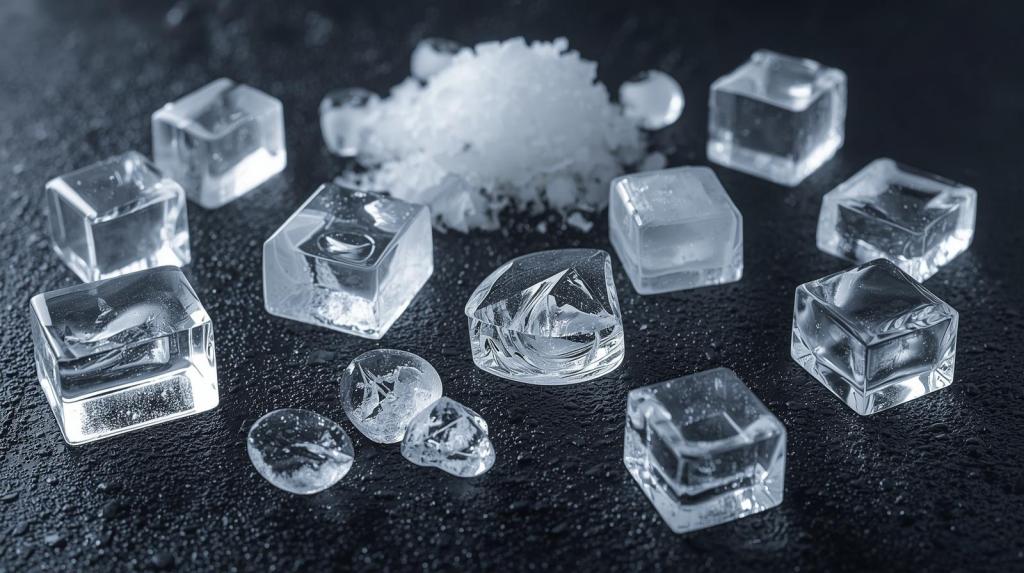
Different cocktails call for different types of ice, and using the appropriate ice for each drink can dramatically improve its texture, temperature, and dilution rate. Here are the most common types of ice used in cocktails:
Cubed Ice
Cubed ice is the standard go-to for most cocktails. Its uniform size provides a good balance between chilling the drink and controlling dilution. Whether you’re shaking or stirring, cubed ice is versatile and works well in many different types of drinks, from highballs to spirit-forward cocktails.
- Best for: Highballs, Negronis, Margaritas
Crushed Ice
Crushed ice has a larger surface area, meaning it melts faster and dilutes drinks more quickly. This type of ice is perfect for cocktails that benefit from a quick chill and some dilution, like tiki drinks or a classic Mint Julep. The texture it adds to a drink is also a key factor, creating a refreshing, slushy consistency.
- Best for: Mojitos, Mint Juleps, Tiki Cocktails
Large Blocks (Hand-Cut and King Cubes)
Large blocks of ice, also known as “king cubes” or hand-cut ice, are often used in cocktails that are meant to be sipped slowly, such as Old Fashioneds or Negronis. These cubes melt more slowly due to their size, allowing you to enjoy the full depth of your drink without too much dilution.
- Best for: Old Fashioned, Negroni, Manhattan
Ice Balls (Spherical Ice)
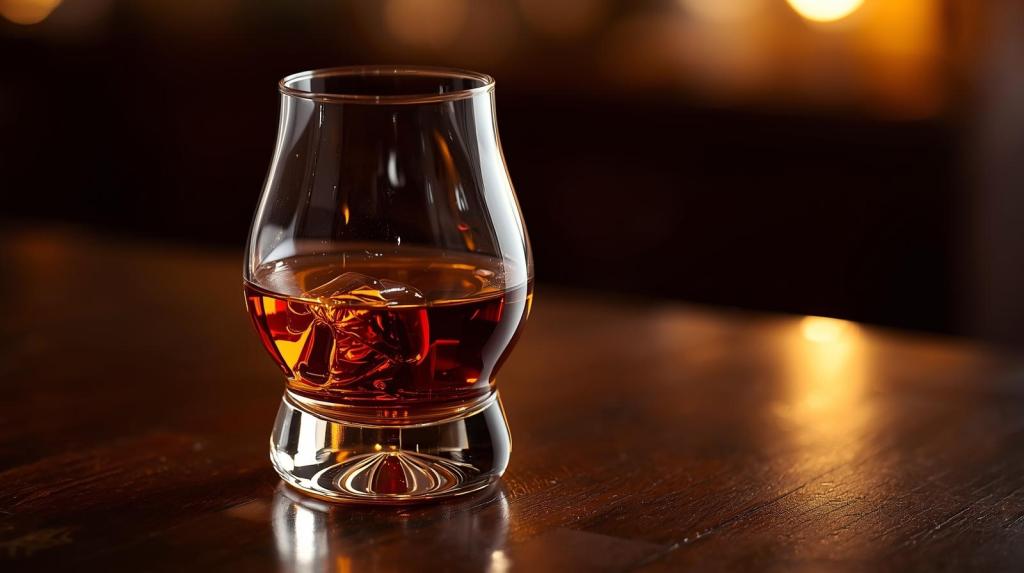
Spherical ice has become popular in recent years due to its aesthetics and functionality. These round ice balls melt even more slowly than large cubes because they have less surface area relative to their volume. They are perfect for drinks served neat or on the rocks, where minimal dilution is desired over a longer period.
- Best for: Whiskey, Scotch, Neat Spirits
Pebble (Nugget) Ice
Popularized by soda fountains and tiki bars, pebble or nugget ice is soft and chewable, making it a fun addition to light, refreshing cocktails. This type of ice absorbs the drink’s flavor, enhancing the overall experience.
- Best for: Daiquiris, Swizzles, Pina Coladas
Collins Spears
Long, slender ice spears are designed to fit perfectly into tall Collins glasses. They melt more slowly than cubed ice, making them ideal for drinks that need to stay cold and crisp for longer periods, such as a Tom Collins or Gin & Tonic.
- Best for: Tom Collins, Gin & Tonic, Highballs
4. Choosing the Right Ice for Your Cocktail
Choosing the right type of ice for a cocktail depends on the drink’s style and the role that dilution plays. Here are some factors to consider:
- Spirit-Forward Cocktails: These drinks benefit from larger cubes or spheres to reduce dilution while keeping the drink chilled.
- Fizzy Cocktails: For drinks like Gin & Tonics or Vodka Sodas, Collins spears or cubed ice are ideal, as they allow the carbonation to last longer.
- Tropical or Tiki Cocktails: Crushed or pebble ice works best for these drinks because it enhances the refreshing, slushy texture and allows for quick chilling.
5. The Importance of Clear Ice
Clear ice is not just a visual upgrade; it also melts slower than cloudy ice because it has fewer air bubbles trapped inside. This makes clear ice denser and more durable, which is crucial in cocktails where you want to limit dilution.
Clear ice is achieved by freezing water slowly, usually using specialized equipment or methods like directional freezing, where water freezes from the top down. For cocktail enthusiasts, clear ice elevates the drink’s aesthetics while improving its taste and experience.
6. How to Make Perfect Ice at Home
Making perfect ice at home doesn’t require expensive equipment, but it does take some preparation. Here are some methods for achieving crystal-clear ice at home:
- Directional Freezing Method: Freeze water in an insulated container that allows the ice to freeze from the top down. This pushes air and impurities to the bottom, leaving the top layer clear.
- Boiling Water: Boil water before freezing it. Boiling removes some of the dissolved air, helping the ice freeze more clearly.
- Use Purified or Distilled Water: Regular tap water contains impurities that cause cloudiness. Using purified or distilled water can result in clearer, denser ice cubes.
7. Environmental Impact: Ice and Sustainability in Bartending
Beyond the type of ice, there’s also an environmental consideration in terms of energy use and water waste. Producing and storing ice can be resource-intensive, so bartenders looking to adopt sustainable practices should consider the environmental footprint of their ice usage.
- Efficient Ice Machines: Modern ice machines with energy-saving features can reduce the environmental impact by using less water and power.
- Use Only What You Need: Be mindful of how much ice you produce to avoid excess waste. Batch cocktails can help control the amount of ice needed, reducing waste in the long run.
- Reusable Ice Molds: At home, consider using reusable silicone molds for making large cubes or spheres, minimizing the waste from plastic ice trays or bags of ice.
8. Conclusion: Elevate Your Cocktail Game with the Right Ice
Ice may seem like a minor detail in cocktail making, but it has a major impact on the overall drinking experience. From controlling dilution and temperature to adding texture and visual appeal, the right ice can make all the difference. Whether you’re enjoying a refreshing Mojito with crushed ice or sipping an Old Fashioned with a hand-cut block, understanding the role of ice will help you create better, more enjoyable cocktails.
So the next time you’re mixing a drink, take a moment to consider the ice—it just might be the secret ingredient that elevates your cocktail to the next level.
For more tips on mastering the art of bartending, including cocktail recipes and insights into the perfect bar tools, subscribe to our blog and follow us on social media!



 Liquid - Atlas
Leave a comment