
Tequila 101: Everything You Need to Know About the World’s Most Versatile Spirit
Tequila is a timeless spirit that carries centuries of rich history and tradition in every sip. Whether you’re sipping it neat or shaking up a cocktail, understanding tequila’s origins, production methods, and flavor profiles can elevate your appreciation of this iconic Mexican spirit. In this guide, we’ll take you on a deep dive into the world of tequila, from its humble beginnings to how it’s made and the best ways to enjoy it.
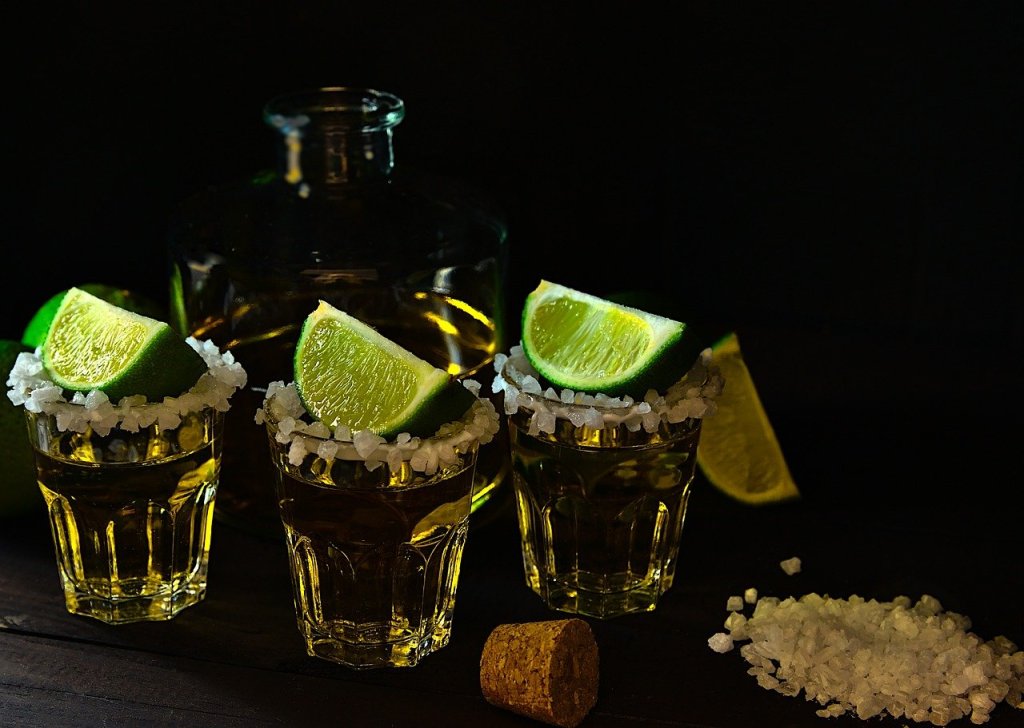
Table of Contents:
- What Is Tequila?
- The History of Tequila
- How Tequila Is Made
- Different Types of Tequila
- Tequila’s Flavor Profiles and Regions
- Popular Tequila Cocktails to Try
- Choosing the Right Tequila for You
- Conclusion: Discover the Magic of Tequila
1. What Is Tequila?
Tequila is a distilled spirit made from the blue agave plant, primarily in the region surrounding the city of Tequila in the state of Jalisco, Mexico. To be considered true tequila, the spirit must be produced in one of five Mexican states and adhere to strict regulations.
Tequila’s uniqueness lies in its origin—the blue agave plant, which gives tequila its distinctive flavor and character. Only tequila produced with at least 51% blue agave qualifies as authentic, with premium versions often being 100% blue agave.
2. The History of Tequila
Tequila’s roots stretch back to the Aztec civilization, where early forms of agave-based drinks were created. It wasn’t until Spanish colonizers arrived in the 1500s that distillation techniques were introduced, leading to the production of what we know as tequila today.
In the 18th century, the Cuervo and Sauza families began mass-producing tequila, helping to spread its popularity both locally and globally. Since then, tequila has become a symbol of Mexican culture and a global sensation, loved by bartenders and spirits enthusiasts alike.
3. How Tequila Is Made
The production of tequila is a meticulous process that requires skill, time, and a deep understanding of agave plants. Here’s a breakdown:
- Harvesting (Jimado): Agave plants take around 7-12 years to mature. Once ready, the piñas (the heart of the agave plant) are harvested by skilled workers known as jimadores.
- Cooking: The piñas are then slow-cooked in ovens to break down the complex carbohydrates into fermentable sugars.
- Fermentation: The cooked agave is mashed to extract the juice, which is then fermented using yeast to convert sugars into alcohol.
- Distillation: Tequila is distilled twice to achieve its desired purity and alcohol content.
- Aging (Optional): Depending on the type of tequila being produced, it may be aged in oak barrels, which gives it additional flavors and depth.
4. Different Types of Tequila
There are five main types of tequila, each offering unique characteristics based on how long they’ve been aged:
- Blanco (Silver): Unaged, bottled right after distillation or aged for less than two months. Crisp and agave-forward, perfect for cocktails.
- Reposado: Aged between 2 months to 1 year. It has a light golden color and a smoother, richer flavor.
- Añejo: Aged for 1 to 3 years in oak barrels. Offers a more complex, woody flavor with hints of vanilla and caramel.
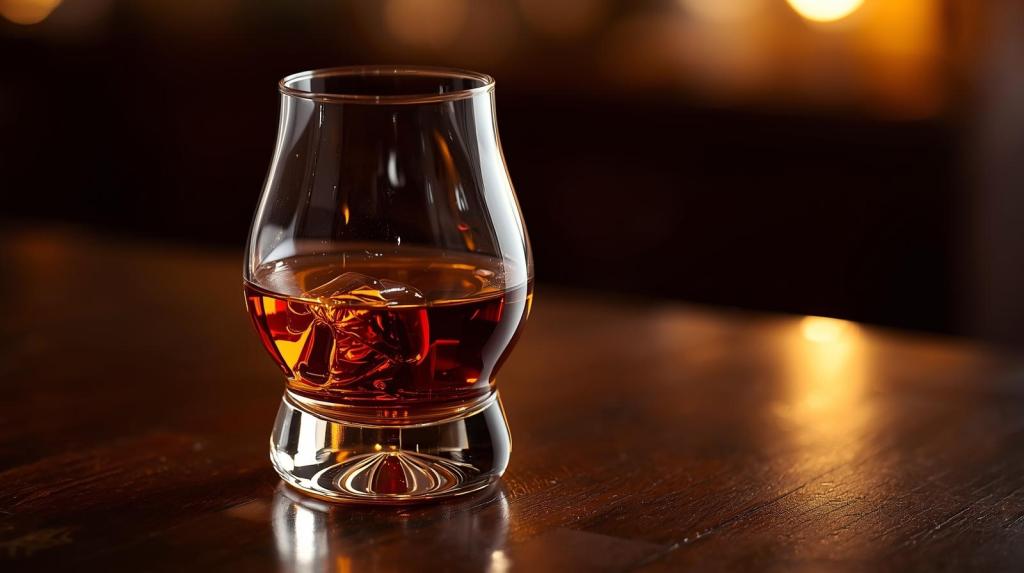
- Extra Añejo: Aged for over 3 years. Often compared to fine whiskeys due to its deep, mature flavors.
- Joven (Gold): A blend of Blanco and aged tequilas, sometimes with added flavorings or colors.
5. Tequila’s Flavor Profiles and Regions
Tequila’s flavor can vary depending on where it’s produced. The two main regions that impact flavor are:
- Tequila Valley: Known for tequilas with earthy, spicy, and herbal notes.
- Los Altos (The Highlands): Produces tequilas with fruitier and sweeter profiles, often lighter and more floral.
When choosing a tequila, consider its region to match the flavor with your personal preferences or the cocktails you plan to make.
6. Popular Tequila Cocktails to Try
Tequila’s versatility shines through in cocktails, offering endless possibilities for creating both classic and modern drinks. Here are a few must-try tequila cocktails:
- Margarita: The classic combination of tequila, lime juice, and triple sec, served with salt on the rim.
- Paloma: A refreshing mix of tequila, grapefruit soda, and lime juice.
- Tequila Sunrise: Tequila with orange juice and a splash of grenadine for a beautiful sunrise effect.
- Tommy’s Margarita: A simplified version of the Margarita using only tequila, lime juice, and agave syrup.
- Tequila Old Fashioned: A Mexican twist on the classic whiskey Old Fashioned, using reposado or añejo tequila.
7. Choosing the Right Tequila for You
When picking a tequila, consider what you plan to use it for. Blanco tequilas are great for cocktails due to their bright and bold flavors. Reposado and añejo tequilas, with their smoother profiles, are perfect for sipping neat or in spirit-forward cocktails.
Always check the label for “100% agave” to ensure you’re getting a premium product without additives.
8. Conclusion: Discover the Magic of Tequila
From its rich cultural history to its wide range of flavors and types, tequila is more than just a party drink—it’s an artisanal spirit with deep roots in Mexican tradition. Whether you enjoy it straight or mixed into a creative cocktail, there’s always more to explore in the world of tequila.
Now that you know everything about tequila, it’s time to start experimenting and discover what kind of tequila lover you are. Salud!



 Liquid - Atlas
Leave a comment