
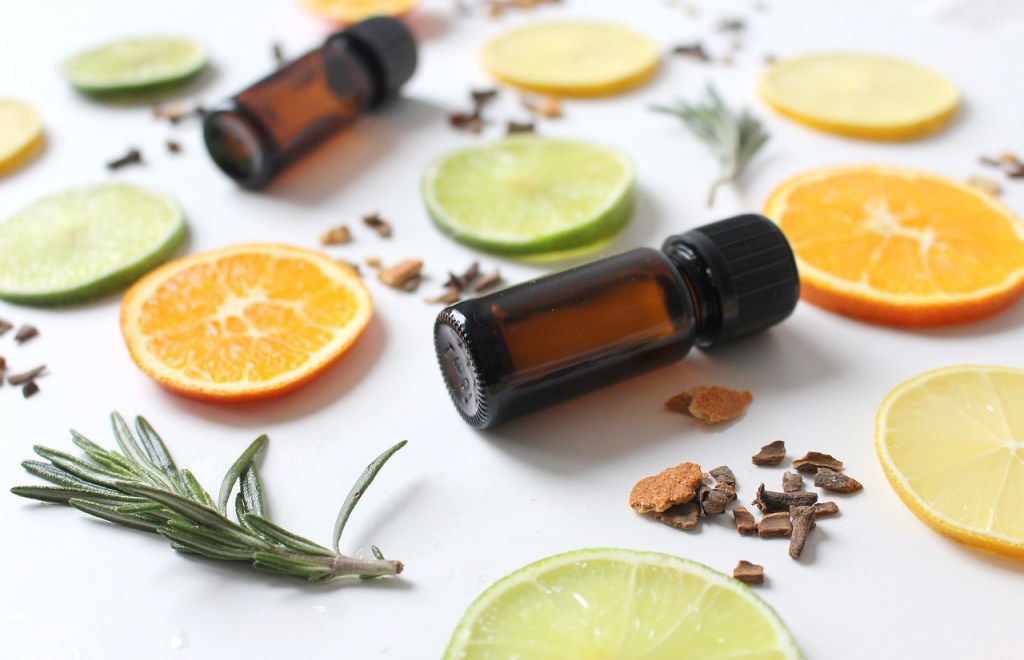
A Beginner’s Guide to Understanding Bitters in Cocktails
Bitters are one of the most important, yet often overlooked, ingredients in the world of cocktails. They’re the secret behind many iconic drinks, adding depth, complexity, and balance to even the simplest recipes. Whether you’re new to the world of cocktail crafting or just curious about how bitters work, this guide will give you everything you need to know about bitters in cocktails.
Table of Contents
- What Are Bitters?
- The History of Bitters in Cocktails
- Types of Bitters: Aromatic, Citrus, Herbal, and More
- How Bitters Work in Cocktails
- Popular Cocktails Featuring Bitters
- How to Use Bitters at Home
- Experimenting with Bitters in Your Cocktails
- Conclusion: Elevating Your Cocktails with Bitters
1. What Are Bitters?
In the simplest terms, bitters are highly concentrated flavor extracts made by infusing botanicals (such as herbs, spices, fruits, and roots) in alcohol. Just a few dashes of bitters can completely change the flavor profile of a cocktail, adding a layer of complexity and balance that can’t be achieved with other ingredients alone. Despite their strong flavor, bitters are meant to be used sparingly, with just a few drops making a noticeable impact.
While bitters are often described as having a bitter or astringent taste, they are not meant to dominate the flavor of a drink. Instead, they work to enhance other flavors, bringing harmony and balance to a cocktail.
2. The History of Bitters in Cocktails
Bitters have been used for centuries, originally developed as medicinal tonics to treat various ailments. In the early 19th century, bartenders began incorporating bitters into cocktails to balance the sweetness of ingredients like sugar and spirits. This early use of bitters is considered a defining feature of the classic cocktail. In fact, some of the earliest cocktail recipes—such as the Old Fashioned and Sazerac—were centered around the use of bitters.
Despite falling out of favor for a time in the mid-20th century, bitters have seen a major resurgence in modern mixology, with craft bartenders reviving classic recipes and creating innovative new ones.
3. Types of Bitters: Aromatic, Citrus, Herbal, and More
There are many different types of bitters available today, each with its own unique flavor profile. Here are the most common categories of bitters:
- Aromatic Bitters: The most traditional type of bitters, usually featuring spices like cinnamon, cloves, and cardamom. Angostura bitters are the most famous example in this category. Aromatic bitters are versatile and work well in a wide range of cocktails.
- Citrus Bitters: These bitters are infused with citrus peels, such as orange, lemon, or grapefruit. They’re great for adding brightness to cocktails like a Negroni or an Old Fashioned.
- Herbal Bitters: Featuring botanicals like mint, chamomile, and sage, herbal bitters bring earthy and fresh notes to cocktails. They’re often used in drinks that aim for a more natural or botanical flavor profile.
- Spiced Bitters: These bitters include spices like black pepper, ginger, and nutmeg, adding warmth and depth to drinks. They’re commonly used in winter cocktails or those featuring dark spirits like bourbon or rum.
- Fruit Bitters: These bitters can be infused with various fruits such as peach, cherry, or apple. They are typically used in cocktails that need a subtle fruit enhancement without the added sweetness of juice or syrups.
4. How Bitters Work in Cocktails
Bitters act as the “seasoning” of cocktails, much like salt and pepper in cooking. While they’re not meant to be a dominant flavor, they add a subtle layer of complexity that can bring out the best in other ingredients.
Here’s why bitters matter:
- Balance Sweetness: In cocktails that feature syrups, sugar, or sweet liqueurs, bitters help counterbalance the sweetness, preventing the drink from becoming cloying.
- Add Depth: Bitters introduce a wide range of flavors—bitter, spicy, herbal, or fruity—that enhance and deepen the overall taste of a cocktail.
- Enhance Aromatics: Many bitters also carry strong aromatics, contributing to the drink’s bouquet and making the overall drinking experience more engaging.
- Tie Flavors Together: Bitters act as a bridge between the different elements of a cocktail, ensuring the flavors blend smoothly and harmoniously.
5. Popular Cocktails Featuring Bitters
Some of the most iconic cocktails rely on bitters to achieve their signature flavor profiles. Here are a few examples:
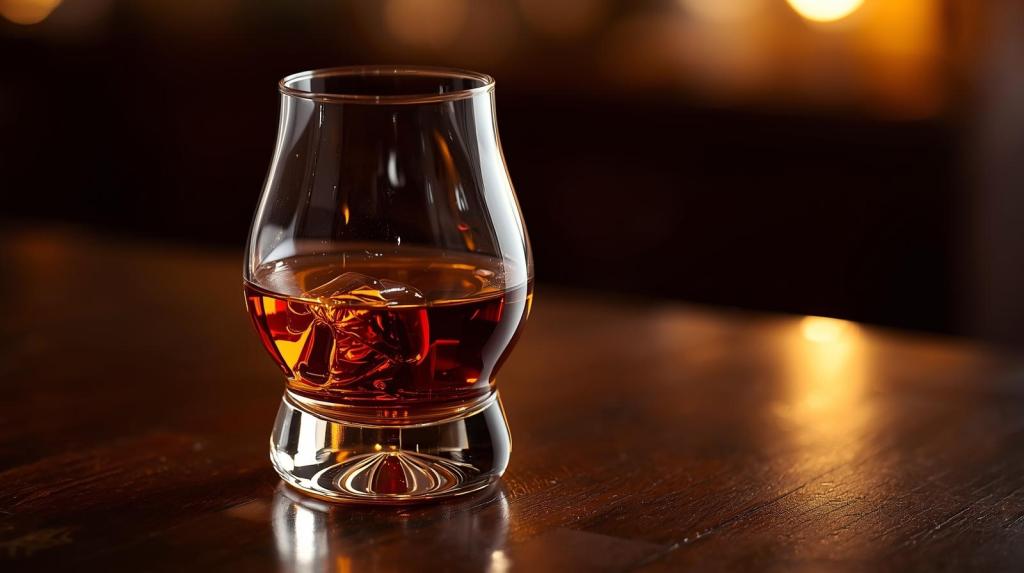
- Old Fashioned: One of the oldest and simplest cocktails, the Old Fashioned consists of whiskey, sugar, bitters, and water. Bitters are essential for balancing the sweetness of the sugar and enhancing the whiskey’s flavors.
- Manhattan: Made with rye whiskey, sweet vermouth, and bitters, the Manhattan is a classic stirred cocktail. Aromatic bitters add spice and complexity to the whiskey.
- Negroni: A popular Italian cocktail made with gin, vermouth, and Campari, the Negroni often benefits from a dash of orange bitters to enhance the citrus notes of the Campari.
- Sazerac: This New Orleans classic features rye whiskey (or cognac), sugar, Peychaud’s bitters, and absinthe. The bitters are crucial for adding spice and balancing the strong flavors of the spirit and absinthe.
- Martinez: Considered a precursor to the Martini, the Martinez uses gin, sweet vermouth, maraschino liqueur, and bitters. The bitters bring depth to this complex cocktail.
6. How to Use Bitters at Home
Using bitters in cocktails at home is simple, and once you get the hang of it, you’ll find yourself reaching for them more often. Here are a few tips for getting started:
- Start Small: Bitters are highly concentrated, so a little goes a long way. Start with just a dash or two, and adjust to taste. You can always add more, but you can’t take it out once it’s in.
- Taste as You Go: Try your cocktail before and after adding bitters to see how they affect the flavor. This will help you understand their impact and adjust accordingly.
- Experiment with Different Types: While Angostura bitters are a great starting point, don’t be afraid to branch out and try citrus, herbal, or spiced bitters. Each one offers a different dimension to your cocktails.
7. Experimenting with Bitters in Your Cocktails
One of the best things about bitters is their versatility. They can be used in both classic and modern cocktails, and you can even experiment by creating your own unique combinations. Here are a few ideas to inspire you:
- Try Bitters in Non-Alcoholic Drinks: Bitters aren’t just for alcoholic cocktails. You can use them to enhance the flavors of non-alcoholic beverages like sparkling water, soda, or tea.
- Create Signature Cocktails: Experiment with different types of bitters to create your own signature cocktails. Play around with complementary flavors like citrus bitters in a gin cocktail or herbal bitters in a vodka-based drink.
- Make Your Own Bitters: Feeling adventurous? You can make your own bitters at home by infusing alcohol with your favorite herbs, spices, and botanicals. This allows you to create custom flavors tailored to your specific cocktail preferences.
8. Conclusion: Elevating Your Cocktails with Bitters
Bitters are the unsung heroes of cocktail making. These tiny bottles of concentrated flavor can transform a simple drink into something truly special, adding depth, balance, and complexity. Whether you’re a beginner or a seasoned bartender, learning how to use bitters effectively will elevate your cocktail game and open up new possibilities for experimentation.
So next time you’re mixing up a cocktail, don’t forget the bitters. With just a few drops, you’ll unlock a world of flavor that can take your drinks to the next level.
Call to Action: Ready to explore the world of bitters? Try adding them to your favorite cocktail and experience the difference they make! Check out our full collection of cocktail recipes for more inspiration.



 Liquid - Atlas
Leave a comment