

The Science of Cocktail Dilution: Why Water Matters
When you think about crafting the perfect cocktail, ingredients like spirits, syrups, and mixers often take center stage. But one key element is frequently overlooked: water. Whether it’s added through ice, shaking, or stirring, water plays a crucial role in shaping the texture, flavor, and overall experience of a cocktail. Understanding the science of cocktail dilution can be the difference between a well-balanced drink and one that falls flat.
In this blog post, we’ll dive into the science of cocktail dilution and why water is just as important as the spirits and mixers you choose.
Table of Contents
- What is Cocktail Dilution?
- Why Water Matters in Cocktails
- The Role of Ice in Dilution
- Shaking vs. Stirring: How They Affect Dilution
- Ideal Dilution Levels in Cocktails
- Common Mistakes to Avoid with Dilution
- How to Control Dilution for Better Cocktails
- Conclusion: Mastering the Science of Dilution
1. What is Cocktail Dilution?
Cocktail dilution refers to the amount of water added to your drink, either through ice melting or by adding water directly. While many people think of dilution as a negative thing, it’s a vital component of mixology. Water tempers the intensity of alcohol and sharp flavors, helping to create a more harmonious drink. When done right, dilution can balance sweetness, acidity, bitterness, and the bite of alcohol.
2. Why Water Matters in Cocktails
Water in cocktails isn’t just about weakening the alcohol; it’s about balancing flavors and improving the drink’s texture. Here are a few reasons why water matters:
- Softens Harsh Flavors: Strong spirits like gin, bourbon, and tequila can be overpowering. Water helps mellow these flavors, making the cocktail smoother and more approachable.
- Balances Acidity and Sweetness: In citrus-heavy drinks, like a Margarita or Daiquiri, water helps dilute the sharpness of lime or lemon juice, balancing it with the sweetness from syrups or liqueurs.
- Improves Mouthfeel: A cocktail that’s too concentrated can feel harsh or heavy. The right amount of water lightens the drink, making it more refreshing and easier to sip.
3. The Role of Ice in Dilution
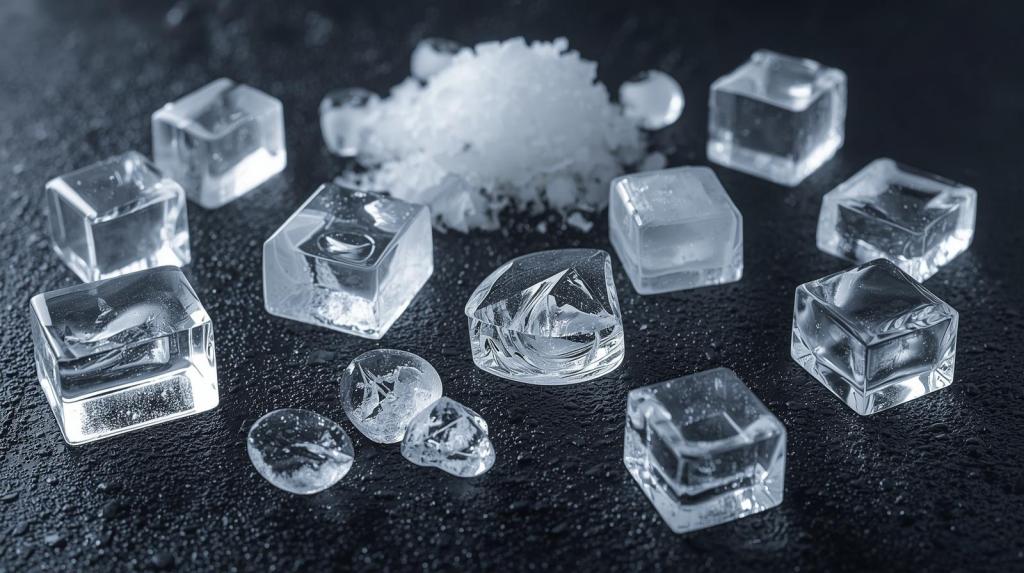
Ice is the primary source of water in most cocktails, especially in stirred and shaken drinks. But not all ice is created equal. The size, shape, and clarity of ice all affect how quickly it melts and how much water it adds to your drink.
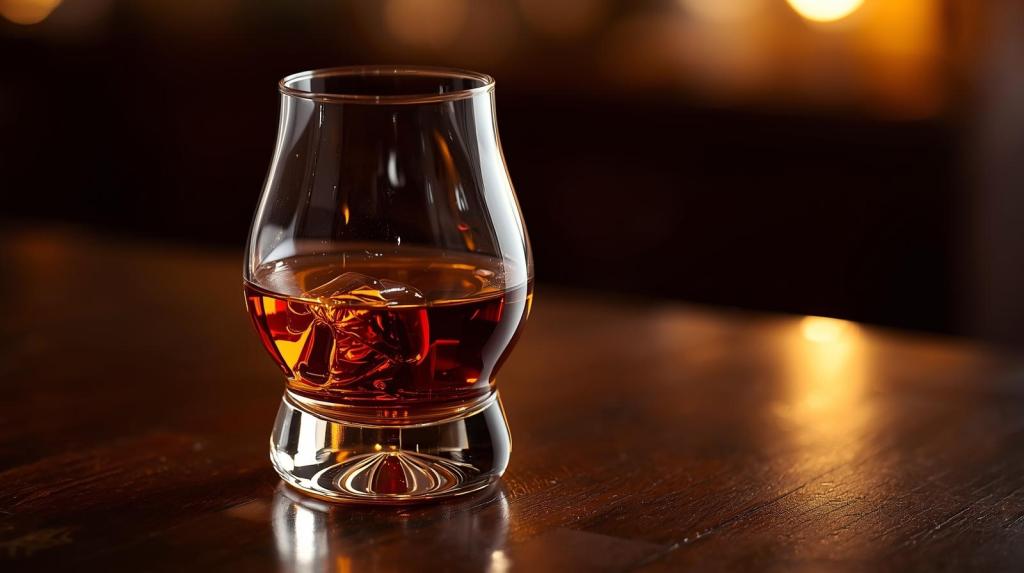
- Large Ice Cubes: These melt slower and provide a more controlled dilution, perfect for spirit-forward cocktails like an Old Fashioned or Negroni.
- Crushed Ice: Melts quickly, adding more water rapidly, making it ideal for drinks like a Mint Julep or a Mojito that benefit from extra dilution.
- Clear Ice: This ice is free from impurities and air bubbles, meaning it melts slower and won’t impart any off-flavors to your drink. It’s often used in high-end cocktail bars.
Ice not only cools your drink but also plays a key role in controlling the dilution process. The right type of ice can elevate the overall cocktail experience.
4. Shaking vs. Stirring: How They Affect Dilution
The way a cocktail is prepared—whether shaken or stirred—greatly impacts its dilution.
- Shaking: Shaking a cocktail adds a significant amount of air and water. The vigorous action causes the ice to break down faster, adding more water quickly. This method is typically used for cocktails that include citrus juice, egg whites, or cream, such as a Whiskey Sour or Daiquiri, where a frothy, lighter texture is desirable.
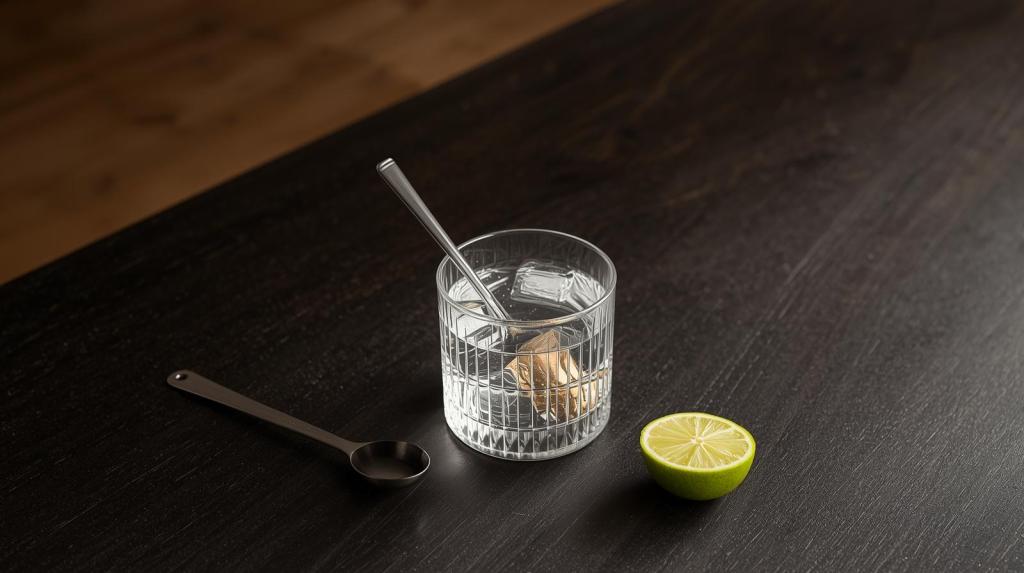
- Stirring: Stirring is a gentler method that introduces less water. It’s used for spirit-forward drinks where you want to chill and dilute the ingredients slowly without changing the texture too much. Stirring is the method of choice for cocktails like the Martini or Manhattan, where you aim to maintain the drink’s smooth, silky feel.
The method you choose—shaking or stirring—can alter not only the dilution but also the texture and flavor balance of your drink.
5. Ideal Dilution Levels in Cocktails
Achieving the perfect dilution level is essential for a balanced drink. So, how much dilution is ideal?
- Classic Cocktails: For spirit-forward drinks like Old Fashioneds or Negronis, you generally want around 20-25% dilution. This is just enough to soften the alcohol’s edge without washing out the flavors.
- Citrus-Based Cocktails: For drinks like Margaritas or Daiquiris, which are shaken, a higher dilution of around 25-30% is more typical. This allows the sharpness of the citrus to mellow, blending better with the spirit and sweetener.
Many bartenders taste their drinks during the stirring or shaking process to judge how much water has been added. Experienced bartenders develop an intuition for when a drink has reached the right dilution.
6. Common Mistakes to Avoid with Dilution
- Too Much Ice: Over-icing a drink can lead to excessive dilution. Especially with crushed ice, you want to be cautious not to overdo it, or you’ll end up with a watery drink.
- Not Enough Dilution: On the flip side, if your drink isn’t diluted enough, the alcohol will overpower the other ingredients, leaving you with a harsh, unbalanced cocktail.
- Using Low-Quality Ice: Ice that contains impurities or air bubbles melts faster, meaning your drink will become diluted more quickly. This can affect both the flavor and texture of your cocktail.
7. How to Control Dilution for Better Cocktails
To master the art of dilution, consider the following tips:
- Use the Right Ice: Invest in large, clear ice cubes for slow-melting drinks or use crushed ice for faster dilution in drinks that need it.
- Shake or Stir Correctly: Pay attention to the method you use. Shake vigorously for drinks that need aeration, like sours, but stir slowly for spirit-forward cocktails to control the water content.
- Taste During Preparation: For stirred cocktails, taste the drink as you stir. This gives you a sense of how the flavors are developing and lets you adjust the dilution as needed.
- Serve Immediately: Once you’ve achieved the desired dilution, serve the drink right away. Letting it sit for too long, especially over ice, will lead to over-dilution.
8. Conclusion: Mastering the Science of Dilution
Cocktail dilution is an often overlooked but critical aspect of creating balanced and enjoyable drinks. By understanding the role of water in cocktails, you can achieve better texture, smoother flavors, and an overall more enjoyable drinking experience. Whether you’re shaking up a Margarita or stirring a Negroni, paying attention to dilution will elevate your mixology skills to a new level.
Call to Action: Want to learn more about cocktail techniques? Check out our other blog posts for tips on shaking, stirring, and rolling drinks like a pro!



 Liquid - Atlas
Leave a comment