
You follow the recipe.
You use decent spirits.
You shake or stir exactly how it says.
And still… the drink doesn’t taste like the one you had at the bar.
That’s not because you’re bad at making cocktails.
It’s because bars control a few key things most home setups don’t.
Here’s what really makes the difference — from behind the bar.
1. Ice Is the Biggest Difference (By Far)
This is the number one reason home cocktails fall short.
Most bars use:
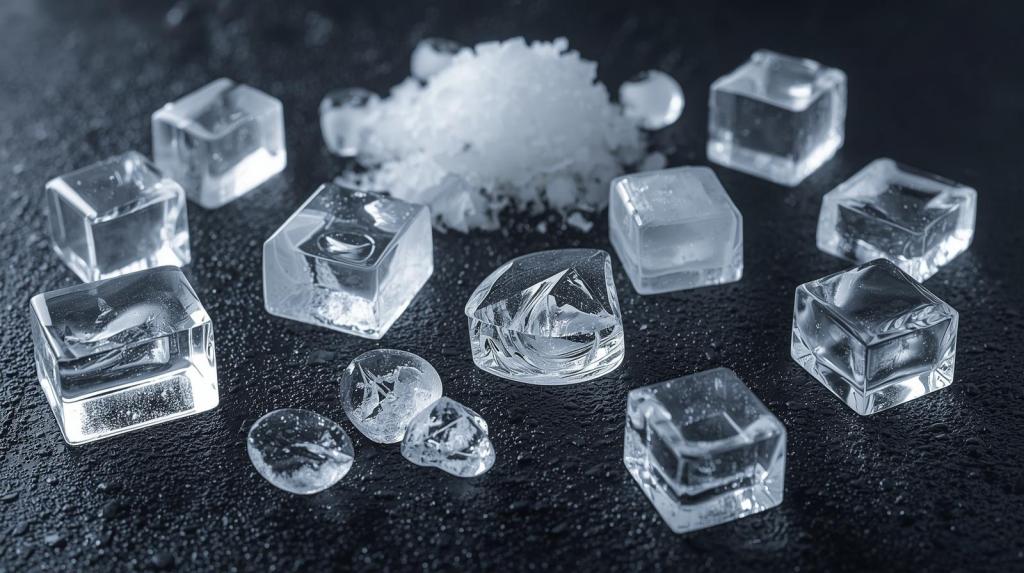
- Large, dense ice
- Clear or slow-melting cubes
- Fresh ice straight from a machine or freezer designed for it
At home, ice is often:
- Small
- Full of air
- Already melting before it hits the shaker
Why it matters:
- Ice controls dilution
- Bad ice melts too fast and waters the drink
- Good ice chills without killing flavor
Bartender tip:
Use the biggest, hardest ice you can. Even buying a bag of solid ice is better than soft freezer cubes.
2. Bars Measure (Even When It Looks Like They Don’t)
It might look like bartenders free-pour everything, but most good bars:
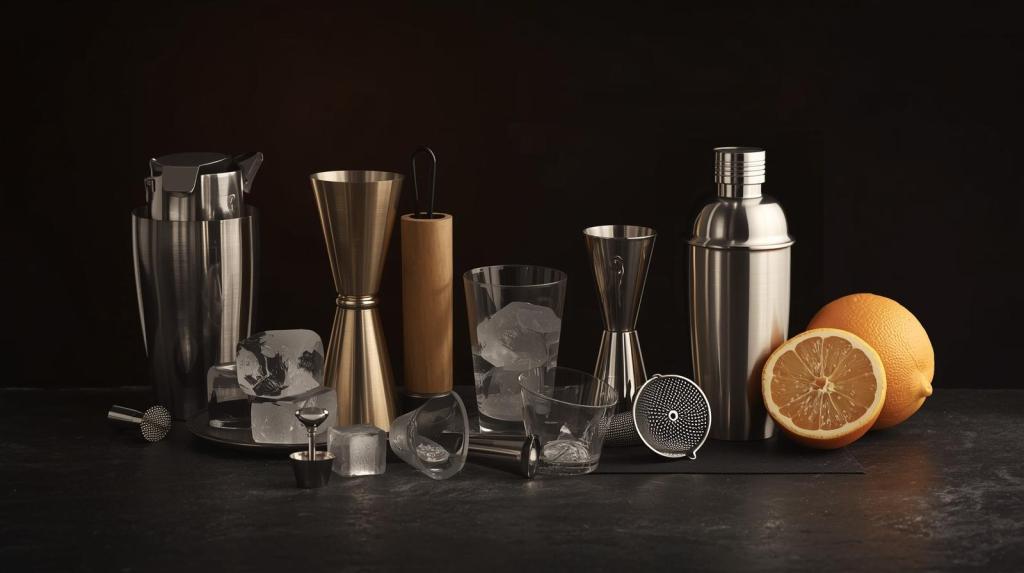
- Use jiggers
- Pre-batch ingredients
- Measure constantly for consistency
At home, people often:
- Guess
- Over-pour spirits
- Under-pour citrus or syrup
That throws balance off immediately.
A cocktail isn’t about being strong — it’s about being balanced.
3. Temperature Matters More Than You Think
Bar cocktails are cold.
Really cold.
Why?
- Ice is colder
- Shakers are cold
- Glassware is often chilled
At home:
- Warm glasses
- Warm shakers
- Less ice
The result is a drink that tastes flat, sweet, or harsh — even if the recipe is correct.
Simple fix:
Chill your glass with ice and water while you make the drink.
4. Dilution Is an Ingredient (Not a Mistake)
Many people think dilution ruins a cocktail.
In reality, it completes it.
Bars understand:
- How long to shake
- How long to stir
- How much water a drink needs
At home, people often:
- Under-shake
- Over-shake
- Shake inconsistently
Too little dilution = harsh, unbalanced drink
Too much dilution = watery mess
There’s a sweet spot — and bars hit it consistently through repetition.
5. Fresh Ingredients Make a Huge Difference
Bars (at least good ones) use:
- Fresh citrus juice
- House-made syrups
- Fresh herbs
At home, it’s common to use:
- Bottled lemon or lime juice
- Old citrus
- Pre-made mixers
Even a perfect recipe can’t fix tired ingredients.
Rule of thumb:
If you wouldn’t eat it, don’t mix with it.
6. Bars Build Muscle Memory (You Don’t — Yet)
Bartenders make the same drinks:
- Dozens of times per week
- Under pressure
- With consistency
That repetition builds:
- Timing
- Confidence
- Flow
At home, you might make a cocktail once every few weeks.
That’s normal — but it means results will vary.
The good news?
You don’t need perfection to make great drinks.
7. Simpler Drinks Usually Work Better at Home
Bars can execute complex cocktails because they’re set up for it.
At home, simple classics shine:
- Daiquiri
- Margarita
- Negroni
- Old Fashioned
Fewer ingredients = fewer chances to mess up balance.
Master the basics first.
Final Thoughts
Home cocktails don’t taste worse because you lack talent.
They taste different because bars control ice, temperature, balance, and repetition.
Fix those things — even a little — and your drinks will improve instantly.
You don’t need a full bar setup.
You just need to understand what actually matters.
That’s the difference between a recipe and a real cocktail.



 Liquid - Atlas
Leave a comment