
Cognac is one of the world’s most refined spirits—a French brandy known for elegance, depth, and history. But if you’ve ever looked at a bottle and wondered what VS, VSOP, or XO mean, you’re not alone. These grades are the key to understanding a cognac’s age, quality, and flavor.
In this guide, we’ll explore the history of cognac, how it’s made, what the different grades mean, and how to choose the right cognac for your taste.
A Brief History of Cognac
Cognac comes from the Cognac region of France, where winemaking dates back centuries. In the 16th century, Dutch traders began distilling wine to preserve it for long voyages—calling it brandewijn (burnt wine). The French refined this technique, aging the spirit in oak barrels, which transformed it into the smooth, aromatic drink we know today as cognac.
Today, cognac is protected by an Appellation d’Origine Contrôlée (AOC), meaning only brandy made in Cognac, using specific methods, can bear the name.
How Cognac Is Made
Cognac production follows strict rules that ensure quality:
- Base Wine – Made from white grapes, mostly Ugni Blanc, which produce high-acidity, low-alcohol wine.
- Double Distillation – Cognac must be distilled twice in copper pot stills (alambic charentais).
- Aging in Oak – The spirit rests in French oak barrels, gaining complexity from the wood.
- Blending – Cognac is rarely single-vintage. Instead, master blenders mix eaux-de-vie (distilled spirits) of different ages for a balanced profile.
Cognac Grades Explained
The grades on a cognac bottle indicate the minimum aging of the youngest eau-de-vie in the blend:
- VS (Very Special): Aged at least 2 years in oak. Light, fruity, and fresh—good for mixing in cocktails.
- VSOP (Very Superior Old Pale): Aged at least 4 years. More balanced, with notes of dried fruit, oak, and spice. Excellent neat or in classic cocktails like a Sidecar.
- XO (Extra Old): Aged at least 10 years. Rich, complex, and layered with flavors of leather, chocolate, and dried fruits. Best enjoyed neat.
- Napoléon: Often used between VSOP and XO, aged at least 6 years.
- Hors d’Âge: Meaning “beyond age,” reserved for the finest, oldest cognacs.
How to Choose a Good Cognac
When selecting a cognac, consider these factors:
- Occasion – For cocktails, a VS works perfectly. For sipping, VSOP or XO shine.
- Flavor Preference –
- Prefer light and fruity? Go for VS or a young VSOP.
- Enjoy rich, complex notes? XO and beyond are your choice.
- Brand Style – Major houses like Hennessy, Rémy Martin, Martell, and Courvoisier each have distinct profiles. Smaller producers often offer unique character as well.
- Budget – VSOPs offer a sweet spot for quality vs. price. XO and Hors d’Âge can become collectible investments.
Final Thoughts
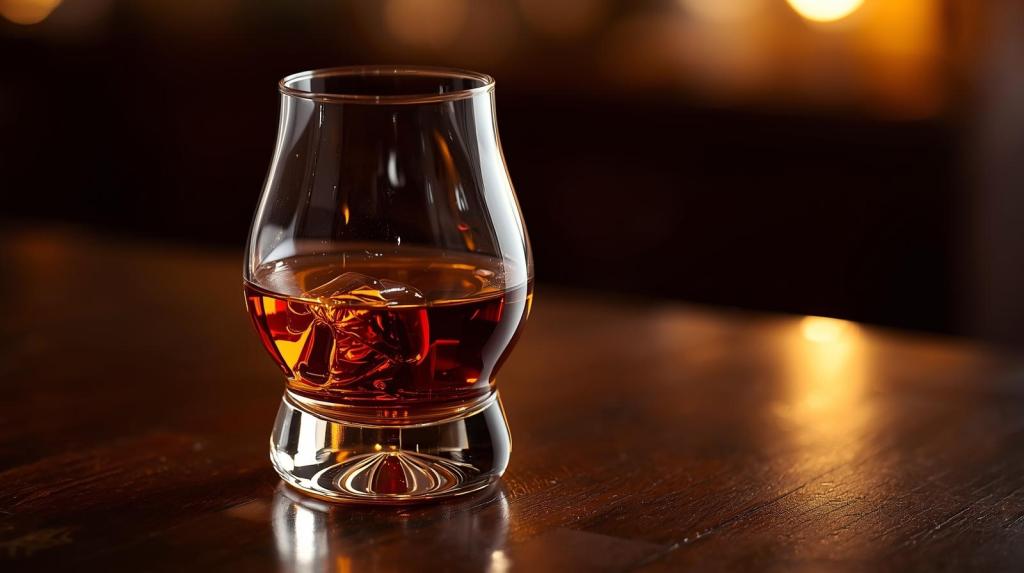
Cognac is more than just a spirit—it’s history, craftsmanship, and terroir in a glass. By understanding grades like VS, VSOP, and XO, you can better appreciate what’s inside the bottle and choose the right one for your taste. Whether enjoyed neat, over ice, or in a cocktail, cognac remains one of the world’s most elegant drinking experiences.



 Liquid - Atlas
Leave a comment