
Gin: The Botanical Spirit
Introduction:
Known for its aromatic complexity and diverse flavor profiles, gin is a spirit that has evolved through the centuries into a modern favorite. Whether it’s a classic gin and tonic, a sophisticated martini, or a gin-infused cocktail, this botanical spirit offers a unique drinking experience. With its roots in medicinal remedies, gin has come a long way to become a staple in bars and homes worldwide.
Let’s explore the history, production, and nuances of this beloved spirit.
The History of Gin:
Gin’s history dates back to the Middle Ages, where it evolved from a medicinal tonic into a popular recreational drink. The key ingredient that defines gin, juniper berries, was originally used for its supposed healing properties.
- Dutch Origins: Gin originated as “jenever” in the Netherlands in the 16th century. Jenever was a malt wine-based spirit flavored with juniper and other botanicals. English soldiers stationed in the Netherlands during the 30 Years’ War were introduced to the drink and brought it back to England.
- Gin Craze in England: Gin quickly gained popularity in England, especially in the 18th century, during a period known as the “Gin Craze.” Cheap and accessible, gin became the drink of choice for many, leading to widespread social issues. To combat these problems, the British government imposed various regulations, which ultimately led to the development of higher-quality gin.
- Modern Gin: By the 19th century, London Dry Gin emerged as the most refined and popular style of gin. Today, gin has undergone a renaissance, with craft distilleries around the world experimenting with new botanicals and flavors, creating a vibrant gin culture.
The Gin-Making Process:
Gin is made by distilling a neutral base spirit with botanicals, the most important of which is juniper berries. The distillation process allows the flavors of the botanicals to infuse into the spirit.
- Distillation: The base spirit, often made from grain, is distilled with botanicals. There are two common methods of infusion:
- Steeping: The botanicals are soaked in the base spirit before distillation, creating a more intense flavor.
- Vapor Infusion: The botanicals are suspended in a basket above the boiling spirit, allowing the alcohol vapor to pass through and pick up the flavors gently.
- Botanicals: Juniper is the defining botanical in gin, but a variety of other herbs, spices, fruits, and flowers can be used, such as coriander, angelica root, citrus peel, and orris root.
- Aging (Optional): Most gins are not aged, but some modern gins are barrel-aged for a unique twist, adding flavors of oak, spice, and vanilla.
Types of Gin:
There are several distinct styles of gin, each with its own flavor profile:
- London Dry Gin: The most well-known type, London Dry Gin is crisp, clean, and dominated by juniper. Despite its name, it doesn’t have to be made in London.
- Old Tom Gin: A sweeter style of gin, Old Tom Gin was popular during the 18th century. It’s less dry than London Dry but not as sweet as genever.
- Genever: The original Dutch gin, genever is made from malt wine and has a malty, earthy flavor. It’s heavier and more complex than modern gin.
- New Western Gin: A modern style that emphasizes botanicals other than juniper, creating unique flavor profiles that may highlight citrus, floral, or spice notes.
The Flavor of Gin:
Gin’s flavor comes primarily from the botanicals used in its production. Here are some common flavor characteristics:
- Juniper: The dominant flavor in traditional gin, providing a piney, resinous quality.
- Citrus: Lemon and orange peels add fresh, bright notes to gin.
- Herbal and Spicy: Coriander, angelica root, cardamom, and other spices contribute warmth and depth.
- Floral: Botanicals like lavender, orris root, and elderflower offer delicate, perfumed notes.
How Gin is Enjoyed:
Gin’s versatility makes it a favorite in both classic and modern cocktails. Here are a few ways to enjoy gin:
- Neat or On the Rocks: While less common than with whiskey or rum, some gins, especially high-quality craft gins, can be enjoyed neat to appreciate their botanical complexity.
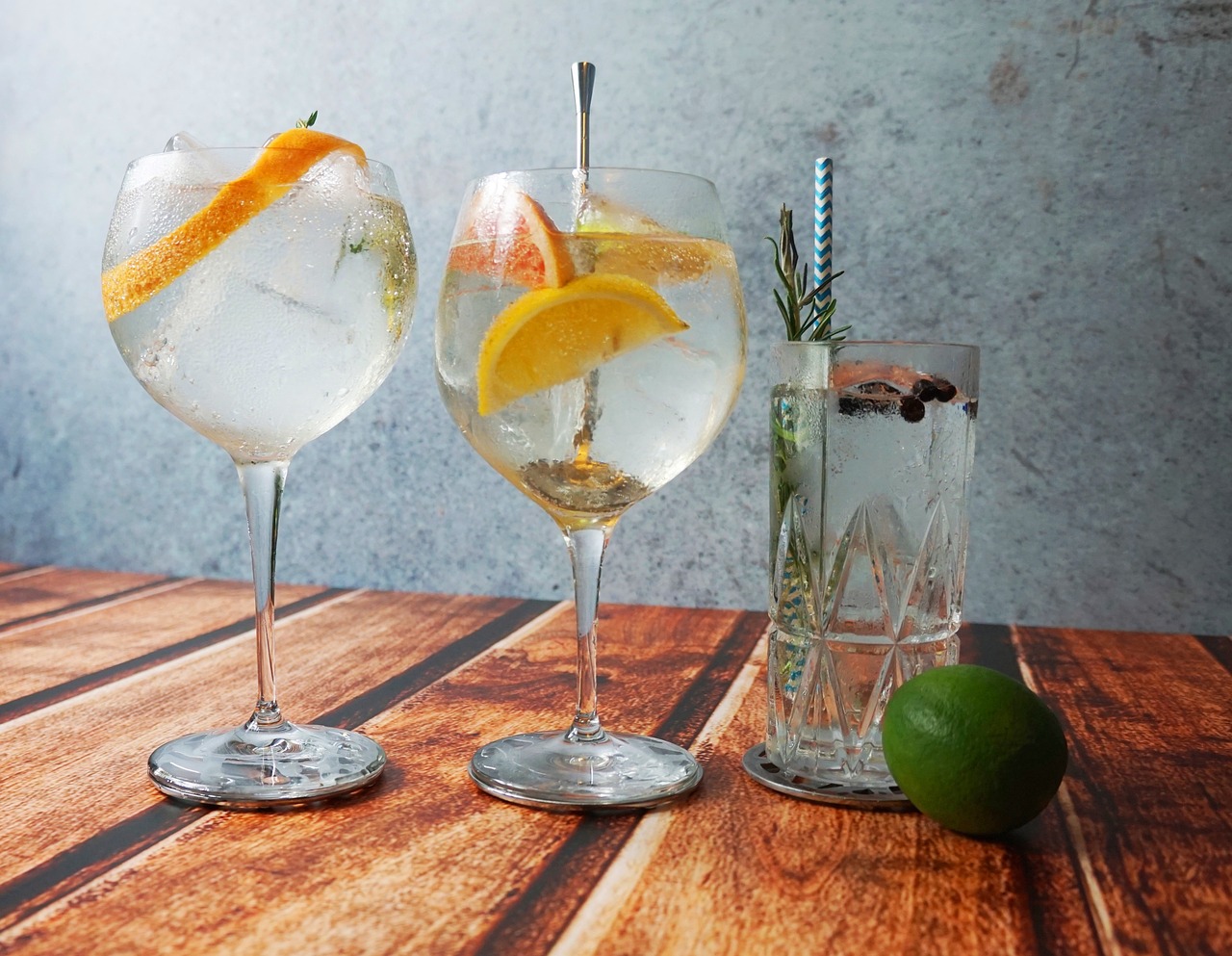
- Gin and Tonic: Perhaps the most iconic gin cocktail, the gin and tonic is a refreshing and simple combination of gin, tonic water, and a citrus garnish.
- Martini: A classic cocktail that highlights gin’s elegance, made with gin and dry vermouth, garnished with a lemon twist or olive.
- In Cocktails: Gin’s botanical profile makes it a favorite for a wide range of cocktails, from the refreshing Tom Collins to the vibrant Negroni.
Conclusion:
Gin’s rich history and botanical complexity make it a spirit that continues to evolve and inspire. From its medicinal roots in the Netherlands to its modern-day resurgence in craft distilling, gin offers an endless array of flavors and styles. Whether you’re sipping a crisp gin and tonic or exploring a new gin cocktail, this aromatic spirit has a timeless appeal.



 Liquid - Atlas