
Whiskey: The Spirit with a rich History “the Water of Life“
Introduction:
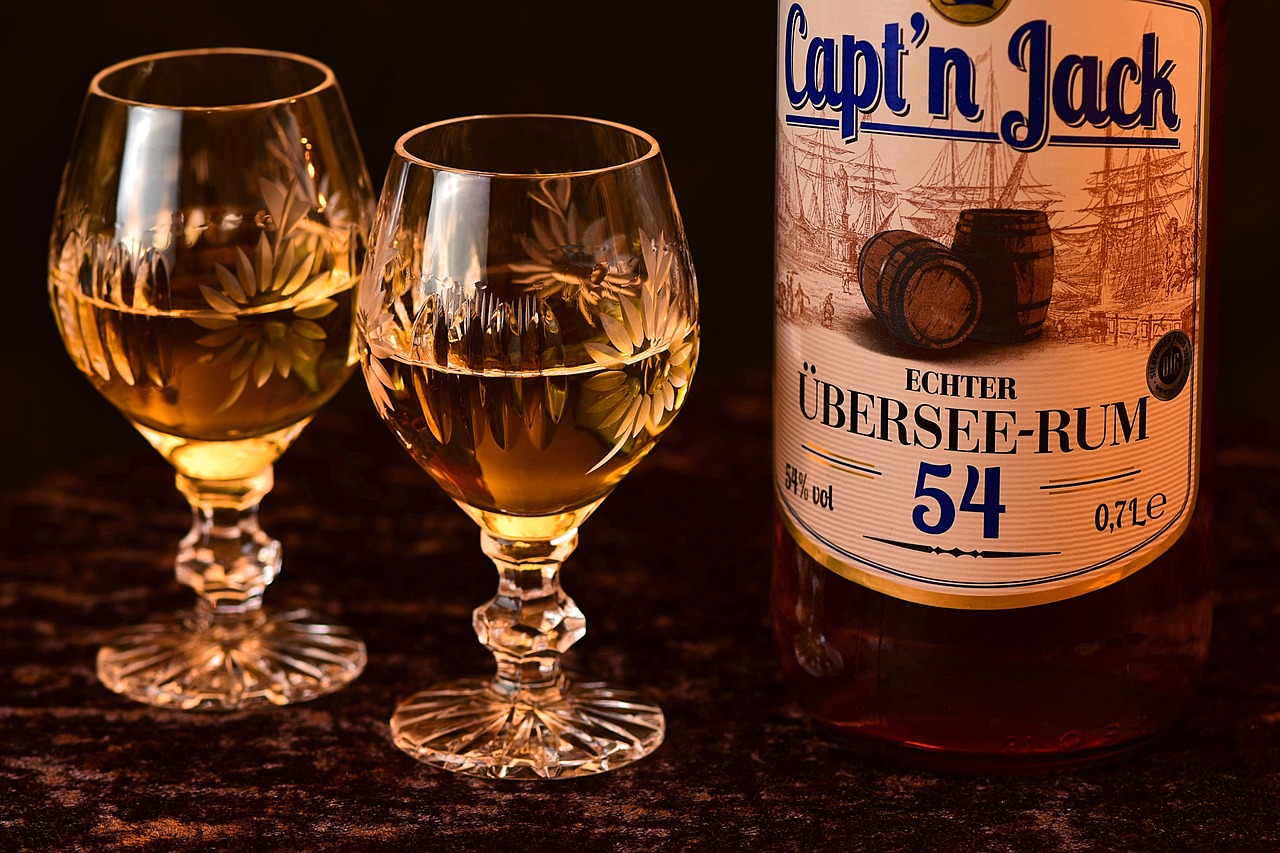
Rum is synonymous with the tropics, evoking images of sun-soaked beaches, island life, and adventurous pirate tales. But beyond its exotic image, rum carries a rich history that stretches across continents and centuries. From its early beginnings in the Caribbean to its modern-day status as a beloved spirit, rum is a drink that captures both a sense of adventure and the craftsmanship of distillation.
This page explores the world of rum, from its storied past to the many ways it can be enjoyed today.
The History of Rum:
The history of rum is closely linked to the history of sugarcane cultivation and the Caribbean. Rum’s origins date back to the 17th century, when sugar plantations in the Caribbean began fermenting molasses, a byproduct of sugar refining, into alcohol. Distilling this fermented molasses created the first rum.
- The Caribbean and Colonial Era: Rum quickly became popular in the Caribbean, and soon, the production and trade of rum expanded across the colonies. It became an important commodity in the infamous “Triangular Trade” of the 18th century, exchanged between Europe, Africa, and the Americas.
- Pirates and Sailors: Rum gained legendary status thanks to pirates and sailors. It was a common drink aboard ships, and in the British Navy, sailors were given a daily ration of rum, known as a “tot,” for centuries.
- Modern Day: Today, rum production has spread globally, with various regions like the Caribbean, Latin America, and even the United States producing their own distinct styles. Modern rum is available in a wide variety of expressions, from light and smooth to rich and dark, used in everything from tropical cocktails to classic rum sippers.
The Rum-Making Process:
Rum is made by fermenting and distilling sugarcane byproducts, primarily molasses or sugarcane juice. The production process varies depending on the style and region, but the general steps are as follows:
- Fermentation: Sugarcane juice or molasses is fermented with yeast to convert the sugars into alcohol. The type of yeast and fermentation conditions can influence the flavor of the final rum.
- Distillation: The fermented liquid is distilled to separate the alcohol from water and other impurities. Depending on the style, rum can be distilled in pot stills (which create heavier, richer rums) or column stills (for lighter, cleaner rums).
- Aging: After distillation, rum is typically aged in wooden barrels, often used oak barrels that previously held bourbon. The aging process imparts complex flavors like vanilla, caramel, and spice to the rum.
- Blending and Bottling: Many rums are blends of different aged rums, creating a balanced flavor profile. After blending, the rum is diluted to the desired proof and bottled.
Types of Rum:
Rum can be categorized into several types based on its production method, flavor profile, and origin:
- Light Rum (White Rum): Typically unaged or lightly aged, light rum is clean and mild in flavor. It’s often used in cocktails like mojitos, daiquiris, and piña coladas.
- Dark Rum: Aged for a longer period, dark rum has a rich, robust flavor with notes of caramel, molasses, and spice. Dark rums are often enjoyed neat or used in more complex cocktails.
- Spiced Rum: Infused with spices such as cinnamon, vanilla, and nutmeg, spiced rum offers a bold and flavorful experience, making it a popular choice for mixed drinks.
- Añejo Rum: Aged rum, typically from Latin America, añejo rum is matured for several years and offers smooth, sophisticated flavors, perfect for sipping.
- Overproof Rum: With a much higher alcohol content (often 50% ABV or higher), overproof rum packs a punch and is typically used in cocktails or punches.
The Flavor of Rum:
Rum’s flavor varies significantly based on its type, aging, and origin. Here are some common flavor notes found in different rums:
- Vanilla and Caramel: A result of aging in oak barrels, these are common in aged rums.
- Molasses and Brown Sugar: Found in darker rums, especially those made from molasses.
- Tropical Fruit: Light rums often have fresh fruit notes like banana, pineapple, or citrus.
- Spice: Particularly prominent in spiced rums, with hints of cinnamon, clove, and allspice.
- Smoke and Oak: Aged rums often have smoky or woody flavors from the barrel aging process.
How Rum is Enjoyed:
Rum is an incredibly versatile spirit that can be enjoyed in many ways:
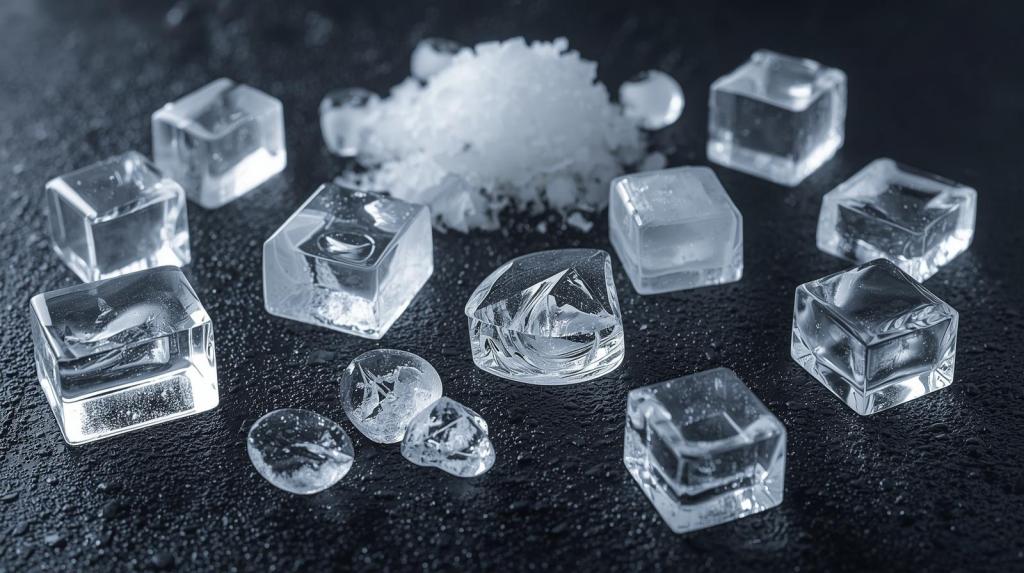
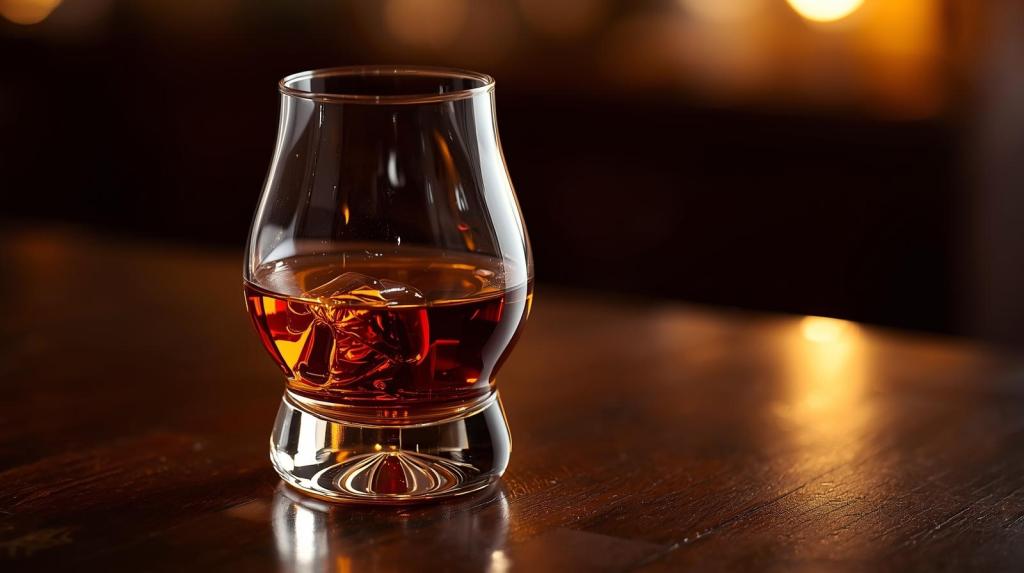
- Neat or On the Rocks: Dark and aged rums, in particular, are often sipped neat or over ice to appreciate their depth and complexity.
- In Cocktails: Light and spiced rums are used in countless cocktails, from tropical classics like the Piña Colada and Mai Tai to more refined drinks like the Daiquiri or Rum Old Fashioned.
- In Punches: Rum’s bold flavor makes it a perfect base for large-batch cocktails and punches, especially in tropical or summer settings.
Conclusion:
From its early days in the Caribbean to its global presence today, rum has been a drink of celebration, adventure, and tradition. Whether you prefer a light rum in a mojito or a dark aged rum sipped neat, this tropical spirit offers a world of flavor possibilities. With so many styles and expressions, there’s a rum for every palate and every occasion.y, its history, like the spirit itself, only grows more compelling with time.



 Liquid - Atlas