
Tequila: A Spirit with Soul – History, Craftsmanship, and Flavor
Introduction:
Tequila is more than just a drink—it’s a symbol of Mexican heritage, steeped in centuries of tradition and meticulous craftsmanship. From humble beginnings in the sun-drenched agave fields to becoming a global sensation, tequila has captured the hearts of spirit lovers worldwide. Known for its versatility, whether savored neat or as the backbone of classic cocktails, tequila is a drink that carries the soul of Mexico in every drop.
The History of Tequila:
1. Ancient Beginnings: The Origins of Agave
Tequila’s roots trace back to pre-Hispanic Mexico, where the indigenous peoples, including the Aztecs, cultivated agave plants. Long before the arrival of the Spanish, these ancient civilizations were fermenting the sap of the agave to make a milky, low-alcohol beverage known as pulque. This drink was used in religious ceremonies and held cultural significance for many Mesoamerican societies.
- Pulque: The fermented agave drink was sacred and consumed primarily by priests and royalty. Its production was ritualistic, and it symbolized a connection to the gods, particularly the god of pulque, Mayahuel.
2. The Spanish Influence: Distillation Arrives
When the Spanish conquistadors arrived in Mexico in the 16th century, they brought with them the technology of distillation. At that time, the Spaniards had run out of their own brandy supply and began to experiment with local resources. They soon discovered that the agave plant, which grew abundantly in the region, could be fermented and then distilled to produce a stronger spirit. This was the early precursor to modern tequila.
- First Distilled Spirits: Known initially as vino de mezcal, the early form of tequila was rougher than today’s version but became popular, particularly in the area around the town of Tequila, in the state of Jalisco.
3. The Rise of Tequila: The Birth of a Spirit
In the early 1600s, the first large-scale distillery was established by Don Pedro Sánchez de Tagle in Jalisco, the region now known for producing the majority of the world’s tequila. Over time, more distilleries were set up, and the spirit became more refined. By the late 1700s, the Cuervo family was granted the first license to commercially produce tequila by the Spanish government, marking the beginning of tequila’s rise as a recognized spirit.
- Jose Cuervo: Founded in 1795, the Cuervo distillery remains one of the most well-known tequila producers today.
- Don Cenobio Sauza: In the 19th century, Sauza was a key figure in developing tequila, and his company, founded in 1873, is still one of the leading tequila brands.
4. Defining Tequila: Regulations and Growth
As tequila gained popularity, the Mexican government began to regulate its production to ensure its quality. By the 20th century, tequila was officially recognized as a distinct product, and in 1974, the Mexican government established the “Appellation of Origin,” meaning only spirits made in specific regions of Mexico (mainly Jalisco) could be called tequila.
- Tequila vs. Mezcal: Tequila is actually a type of mezcal, but the distinction comes from the type of agave used (blue Weber agave for tequila) and the production methods.
5. Modern Tequila: A Global Phenomenon
Tequila’s popularity exploded in the 20th century, particularly in the U.S. In the 1950s and 60s, cocktails like the Margarita became popular, fueling a demand for the spirit. By the late 20th century, premium tequila brands emerged, emphasizing quality over quantity. Today, tequila is enjoyed worldwide, with a variety of expressions, from smooth sipping tequilas to bold, cocktail-ready spirits.
How Tequila is Made:
Tequila production is a labor of love, requiring precision and patience at every step of the process.
- Harvesting Agave: The journey begins in the fields of Jalisco, where blue Weber agave plants are carefully tended to for 7-10 years. When they are ripe, skilled farmers known as jimadores harvest the agave by cutting away the sharp leaves to reveal the heart of the plant, known as the piña.
- Cooking the Piñas: These piñas are then roasted in large ovens to convert the complex carbohydrates into fermentable sugars. This step is crucial in developing the flavor of the tequila.
- Fermentation: After roasting, the piñas are crushed to extract their juice. The agave juice, or “must,” is fermented using natural or added yeast to produce a low-alcohol liquid called “mosto.”
- Distillation: The mosto undergoes two rounds of distillation to concentrate and purify the alcohol, transforming it into clear tequila. After distillation, the tequila is classified into different categories based on aging.
- Aging: Tequila’s aging process plays a key role in determining its flavor profile:
- Blanco (Silver): Bottled immediately or aged for no more than 2 months, retaining pure agave flavors.
- Reposado (Rested): Aged for 2 to 12 months in oak barrels, developing subtle vanilla and caramel notes.
- Añejo (Aged): Aged for 1 to 3 years, creating smooth, rich flavors with a deeper complexity.
- Extra Añejo (Extra Aged): Aged for over 3 years, offering a luxurious sipping experience with deep, complex flavors.
The Flavors of Tequila:
Tequila’s flavor profile varies depending on its type and how it’s aged. Here’s what to expect from each category:
- Blanco Tequila: Fresh, vibrant, and earthy, blanco showcases the pure essence of agave, often with hints of citrus, pepper, and herbs.
- Reposado Tequila: With time in oak, reposado balances agave’s natural flavor with smooth vanilla, caramel, and light oak tones, making it an excellent base for cocktails.
- Añejo Tequila: Añejo’s aging in oak gives it deep, rich flavors of caramel, chocolate, and sometimes even tobacco or dried fruit. It’s perfect for sipping neat.
- Extra Añejo Tequila: The most luxurious expression, extra añejo is silky smooth with layers of spice, dried fruit, and deep oak notes, offering a highly refined sipping experience.
Types of Tequila:
Tequila is categorized not only by its aging process but also by its purity.
- 100% Agave Tequila: Made entirely from the sugars of blue agave, these tequilas are known for their purity and superior flavor.
- Mixto Tequila: This is blended with other sugars (up to 49%) and often used in mass-market brands. It’s generally less expensive but lacks the depth of 100% agave tequila.
- Blanco, Reposado, Añejo: As mentioned earlier, these aging categories highlight different aspects of the tequila-making process, from young and vibrant to rich and complex.
- Tequila vs. Mezcal: Though tequila is a type of mezcal, the two differ in their production. Mezcal can be made from different types of agave and is often characterized by a smoky flavor due to the underground roasting of the agave hearts.
Tequila and Terroir:
Just like wine, tequila’s flavor is influenced by the region in which the agave is grown.
- Highland Tequilas: Agaves grown in the highlands (Los Altos) of Jalisco tend to produce sweeter, fruitier tequilas with floral notes.
- Lowland Tequilas: In contrast, lowland agave (grown closer to the town of Tequila) results in more herbal and earthy flavors, with pronounced pepper and mineral tones.
Tequila in Cocktails:
Tequila shines in a wide variety of cocktails, ranging from traditional to modern creations.
- Classic Tequila Cocktails: The Margarita, Paloma, and Tequila Sunrise have cemented themselves as essential cocktails for any tequila lover.
- Modern Twists: Mixologists are constantly innovating, creating new drinks like the Tequila Mule or Smoky Tequila Negroni. Tequila’s versatility makes it a favorite among bartenders for its ability to mix well with sweet, sour, salty, and spicy flavors.
Tequila Tasting: How to Enjoy It Neat
For those who want to appreciate tequila’s depth of flavor, sipping it neat can be a rewarding experience. Here’s how to get the most out of it:
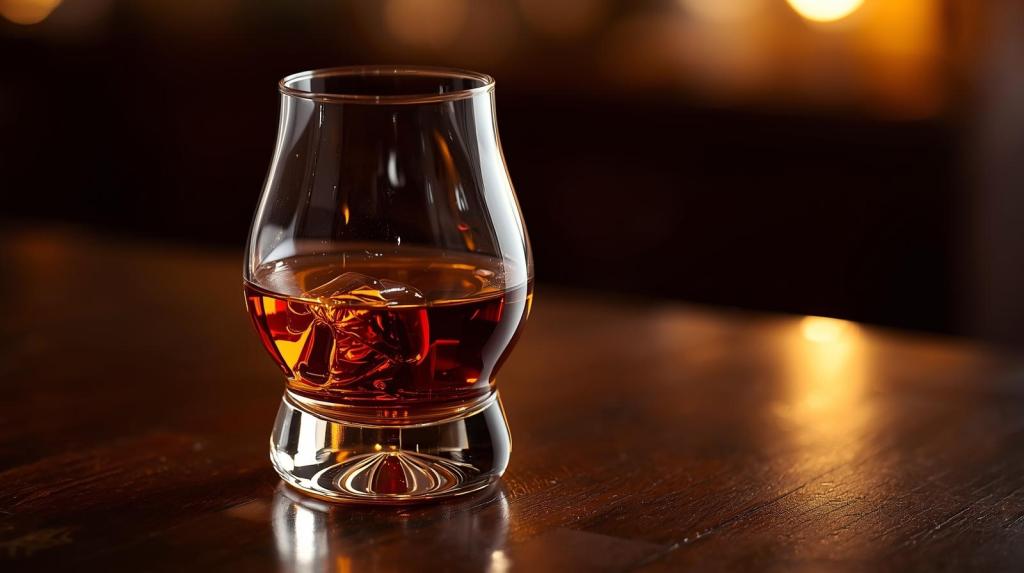
- Look: Observe the color—clear for blancos, golden for reposados, and amber for añejos. The legs (or tears) on the glass indicate the body of the tequila.
- Smell: Swirl the glass and take in the aroma. You should be able to detect agave, citrus, or oak depending on the age of the tequila.
- Taste: Take small sips to experience the range of flavors. Allow the tequila to coat your palate and savor the sweetness of agave balanced by the warmth of the alcohol.
- Finish: A quality tequila will leave a lasting, smooth finish, sometimes peppery, sometimes oaky, but always distinctive.
Tequila in Culture:
Tequila isn’t just a drink in Mexico—it’s a cultural icon. It plays an integral role in celebrations, from local fiestas to major national holidays like Día de Muertos.
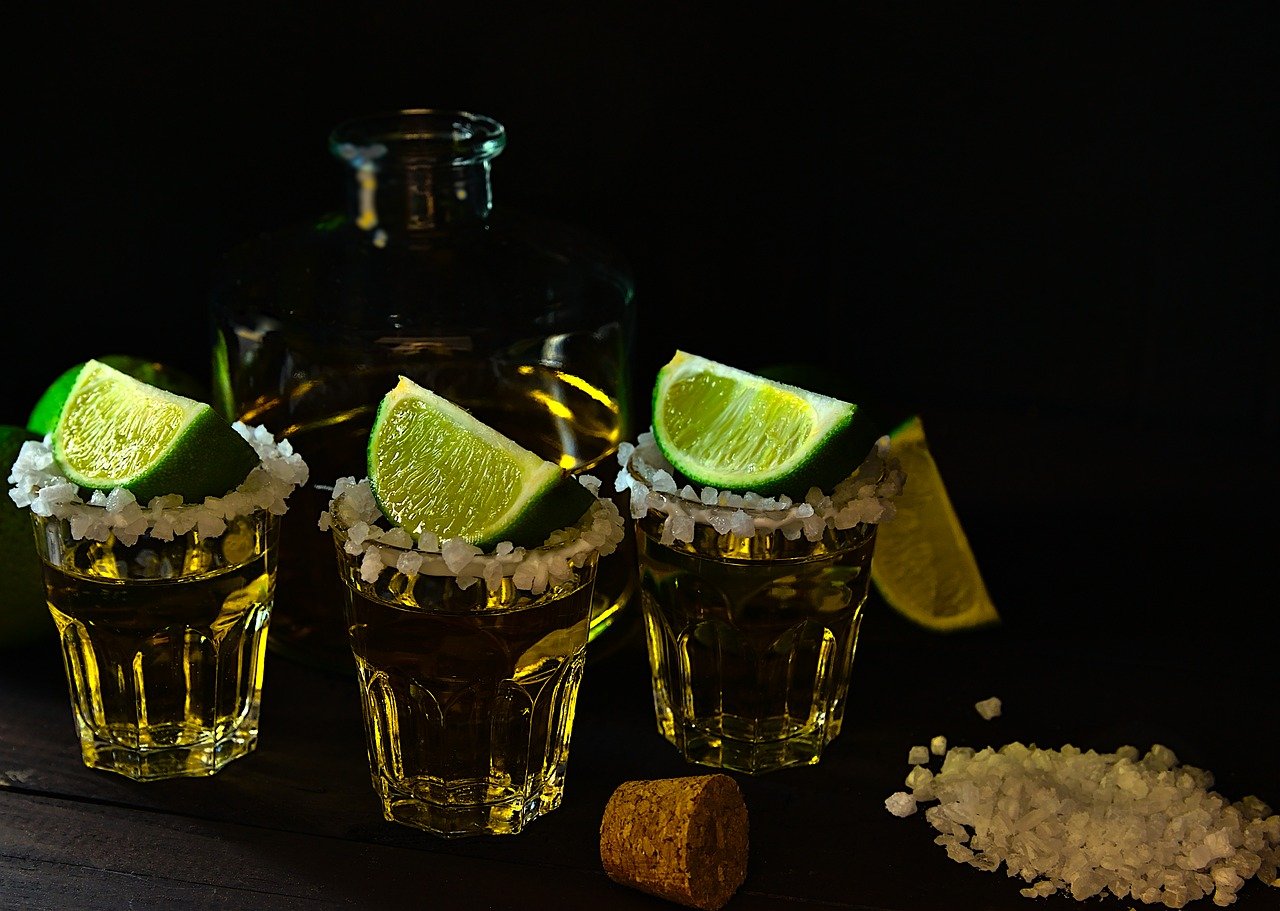
- The Tequila Ritual: The lime and salt ritual, while popular outside of Mexico, is not the traditional way to enjoy tequila. In Mexico, good tequila is sipped slowly, much like a fine whisky.
Conclusion:
Tequila is a spirit of rich history, craftsmanship, and cultural significance. Whether you’re sipping it neat, mixing it into a cocktail, or learning about its complex flavors, tequila offers an endless journey of discovery. From the volcanic soils of Jalisco to bars around the world, tequila’s story continues to evolve, making it one of the most iconic and celebrated spirits. Raise a glass to this Mexican treasure and discover for yourself the soul of tequila in every sip.


 Liquid - Atlas