
Whiskey: The Spirit with a rich History “the Water of Life“
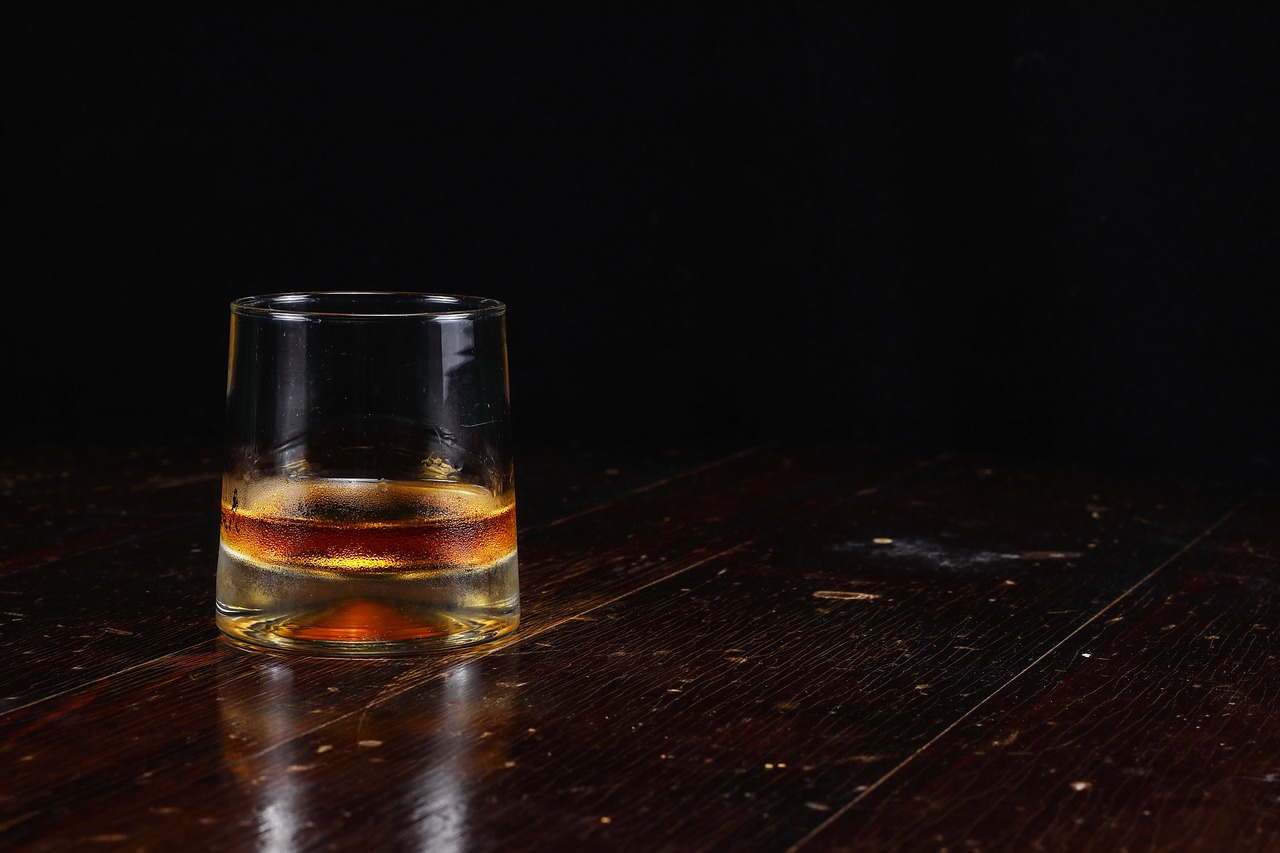
Introduction:
Whiskey is more than just a drink; it’s a tradition, a craft, and a symbol of heritage. From the windswept Scottish Highlands to the heart of Kentucky, whiskey has captured the imagination of people for centuries. Its journey across time and continents has shaped cultures, crafted legends, and led to the creation of one of the world’s most beloved spirits.
This page delves into the history, production, and unique qualities that make whiskey such a timeless treasure.
A Brief History of Whiskey:
Whiskey’s origins are ancient and intertwined with the history of distillation itself. While distillation began as a method for creating medicinal tinctures and perfumes, it wasn’t long before monks in Ireland and Scotland adapted the technique for grain fermentation, creating the earliest forms of whiskey around the 11th or 12th centuries.
- Ireland and Scotland: Both nations claim to be the birthplace of whiskey, and their early spirits were rough compared to modern varieties. Over time, whiskey became a refined craft, and by the late Middle Ages, distillers had perfected their methods. Scotch whisky, typically made from malted barley, became known for its smoky, peaty flavors, while Irish whiskey, often triple-distilled, developed a reputation for smoothness and lightness.
- Whiskey in America: When whiskey reached the American colonies in the 1700s, it evolved into new forms. Settlers adapted the recipe to use local grains like corn and rye, which led to the birth of American whiskey styles, most notably bourbon and rye whiskey. American whiskey played a significant role in early U.S. history, even sparking the Whiskey Rebellion of 1791 when farmers protested a tax on their beloved spirit.
- The Whiskey Renaissance: Whiskey faced challenges during the 20th century, particularly due to Prohibition in the U.S. and economic hardships in Ireland. However, the late 20th century saw a resurgence in whiskey production and appreciation. Today, whiskey is celebrated globally, with new styles emerging from countries like Japan and India, alongside the classic traditions of Scotland, Ireland, and the United States.
The Whiskey-Making Process:
Although whiskey styles differ across regions, the basic process of creating this storied spirit remains consistent. It involves transforming grains into alcohol and aging it to perfection.
- Mashing: The process begins by mashing grains (barley, corn, rye, or wheat) with hot water to extract sugars. This forms a fermentable liquid called the “wort.”
- Fermentation: Yeast is added to the wort, which ferments the sugars, producing alcohol and creating a liquid known as “wash.”
- Distillation: The wash is distilled in copper stills, where it is heated and separated into alcohol and water. The alcohol vapors are collected, condensed, and distilled again for purity.
- Aging: Whiskey is aged in wooden barrels, usually oak. The aging process imparts flavors from the wood and allows the whiskey to mature over several years, developing complexity. The type of barrel, its age, and whether it has been charred or toasted all influence the whiskey’s final flavor.
- Bottling: After aging, whiskey is sometimes diluted with water to the desired proof before being bottled and sold. Some whiskies are bottled at cask strength, meaning they are undiluted and pack a stronger punch.
Types of Whiskey:
Whiskey comes in many varieties, each with its own character and story. Here’s a quick look at some of the most iconic types:
- Scotch Whisky: Distilled and aged in Scotland, Scotch must be made primarily from malted barley and aged for at least three years in oak barrels. There are two main types: Single Malt (from one distillery using only malted barley) and Blended (a mix of malt and grain whiskies). Regions like Islay, Speyside, and the Highlands offer distinct flavors, from smoky and peaty to fruity and floral.
- Irish Whiskey: Known for its smoothness, Irish whiskey is often triple-distilled and aged for at least three years. It is usually lighter than Scotch, with a clean, soft profile. Popular varieties include Jameson, Redbreast, and Bushmills.
- Bourbon: An American whiskey primarily made from corn (at least 51%), bourbon is sweet, full-bodied, and aged in new charred oak barrels. Bourbon must be made in the U.S., with Kentucky being the heart of production. Famous brands include Maker’s Mark, Buffalo Trace, and Wild Turkey.
- Rye Whiskey: Also popular in the U.S., rye whiskey is made from at least 51% rye, giving it a spicier, drier flavor compared to bourbon. Canadian whisky, often referred to as “rye,” is typically smoother and lighter than its American counterpart.
- Japanese Whisky: Modeled after Scotch, Japanese whisky has gained international acclaim for its delicate and balanced flavors. Distilleries like Suntory and Nikka are known for producing elegant whiskies that are often used in high-end cocktails.
The Flavor of Whiskey:
Whiskey’s taste is influenced by several factors, including the type of grain used, the distillation process, and how long it is aged. Here are some common flavor notes to look for when tasting whiskey:
- Vanilla and Caramel: Derived from the aging process in oak barrels.
- Fruit: Notes of apple, pear, or citrus are common, particularly in lighter whiskies.
- Spice: Found in rye-heavy whiskies, with flavors like cinnamon, clove, and nutmeg.
- Smoke and Peat: Primarily found in Scotch whiskies from regions like Islay, where the malt is dried using peat smoke.
- Honey and Malt: Present in many single malts, adding sweetness and complexity.
How Whiskey is Enjoyed:
Whiskey can be enjoyed in many ways, each offering a different experience:
- Neat: Served straight, without any mixers or ice, allowing you to fully appreciate the whiskey’s complexity.
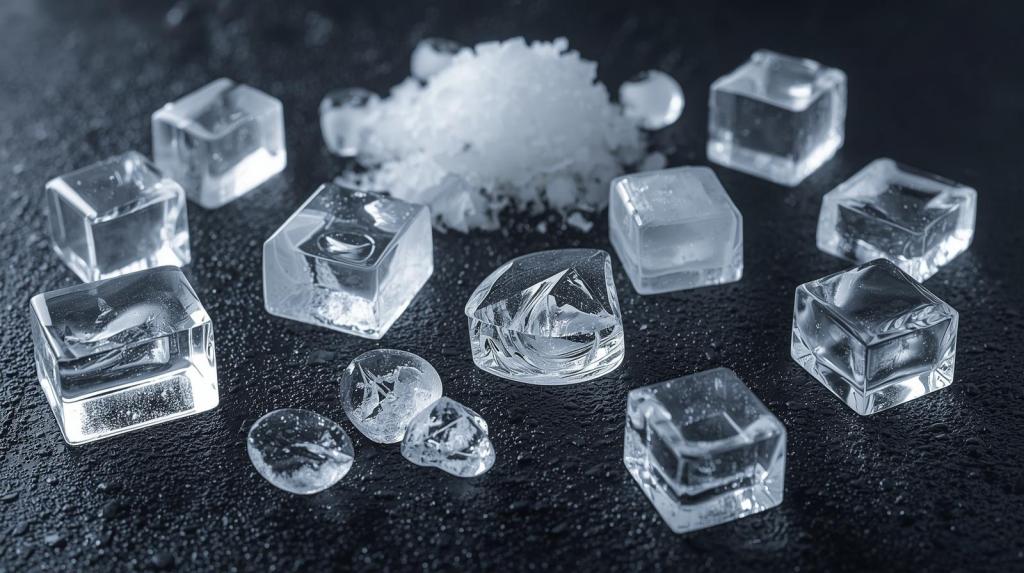
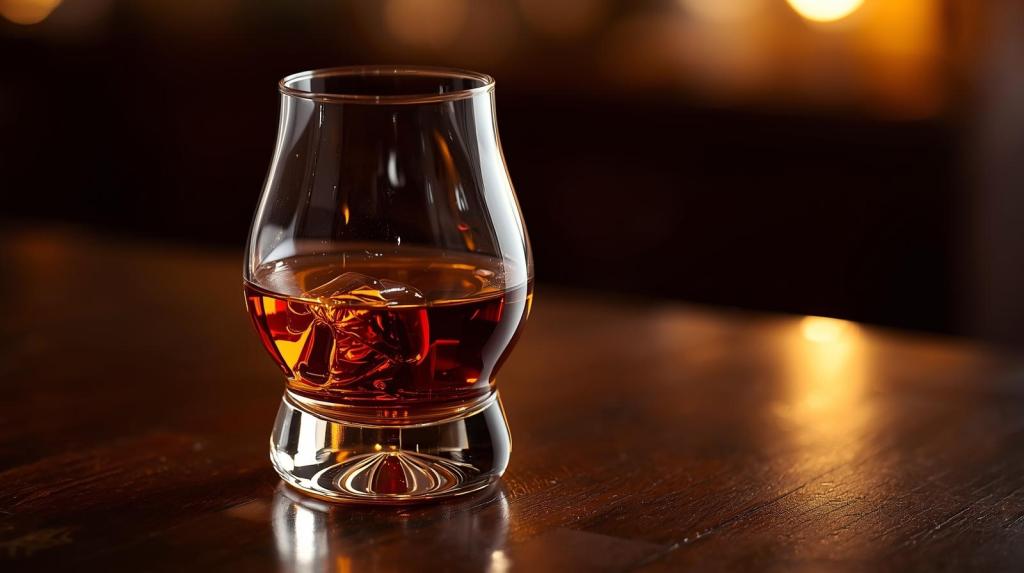
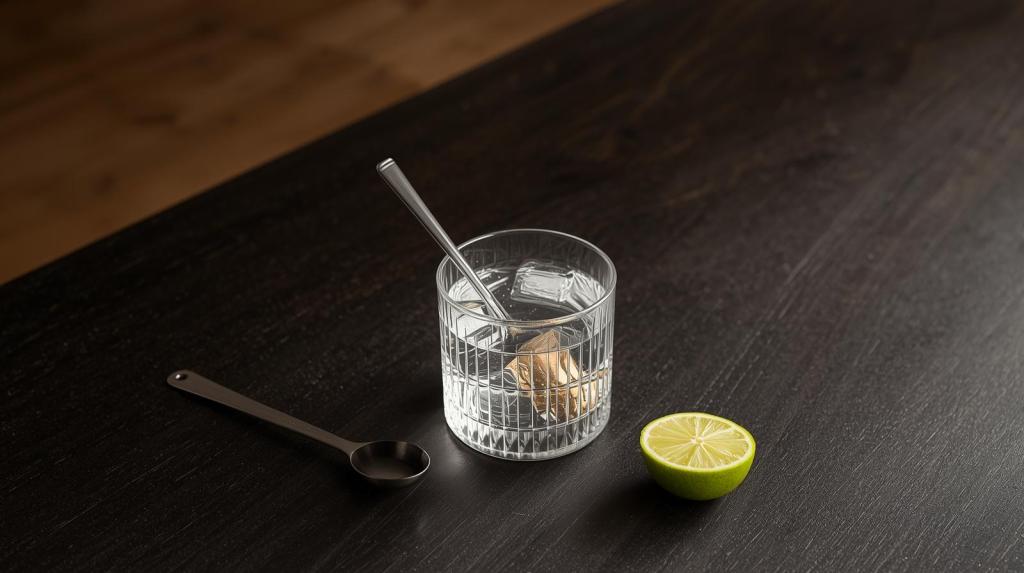
- On the Rocks: Served over ice, which chills the whiskey and slightly dilutes it as the ice melts, mellowing the flavors.
- With Water: Some whiskey enthusiasts add a splash of water to “open up” the whiskey, revealing more subtle flavors.
- In Cocktails: Whiskey is the foundation of many classic cocktails, from the Old Fashioned and Manhattan to the Whiskey Sour. Each cocktail highlights different aspects of the spirit’s profile.
Conclusion:
Whiskey’s rich history and complex flavors make it a spirit unlike any other. From its ancient beginnings in Ireland and Scotland to its rise as a global icon, whiskey has stood the test of time, bringing people together over shared stories and experiences. Whether you’re savoring a smoky Scotch, enjoying a smooth bourbon, or experimenting with modern cocktails, whiskey offers a timeless journey in every glass.
Explore the world of whiskey with a sense of curiosity and respect for the craftsmanship behind each bottle. As whiskey continues to evolve and expand globally, its history, like the spirit itself, only grows more compelling with time.


 Liquid - Atlas